The Home I Was Looking For
On identity, disillusionment, renunciation, and the quiet discovery of enough.
For much of my life, I have been searching for something I could never quite name.
Freedom, perhaps. A sense of belonging. A place where I could finally stop running, stop becoming, and simply be.
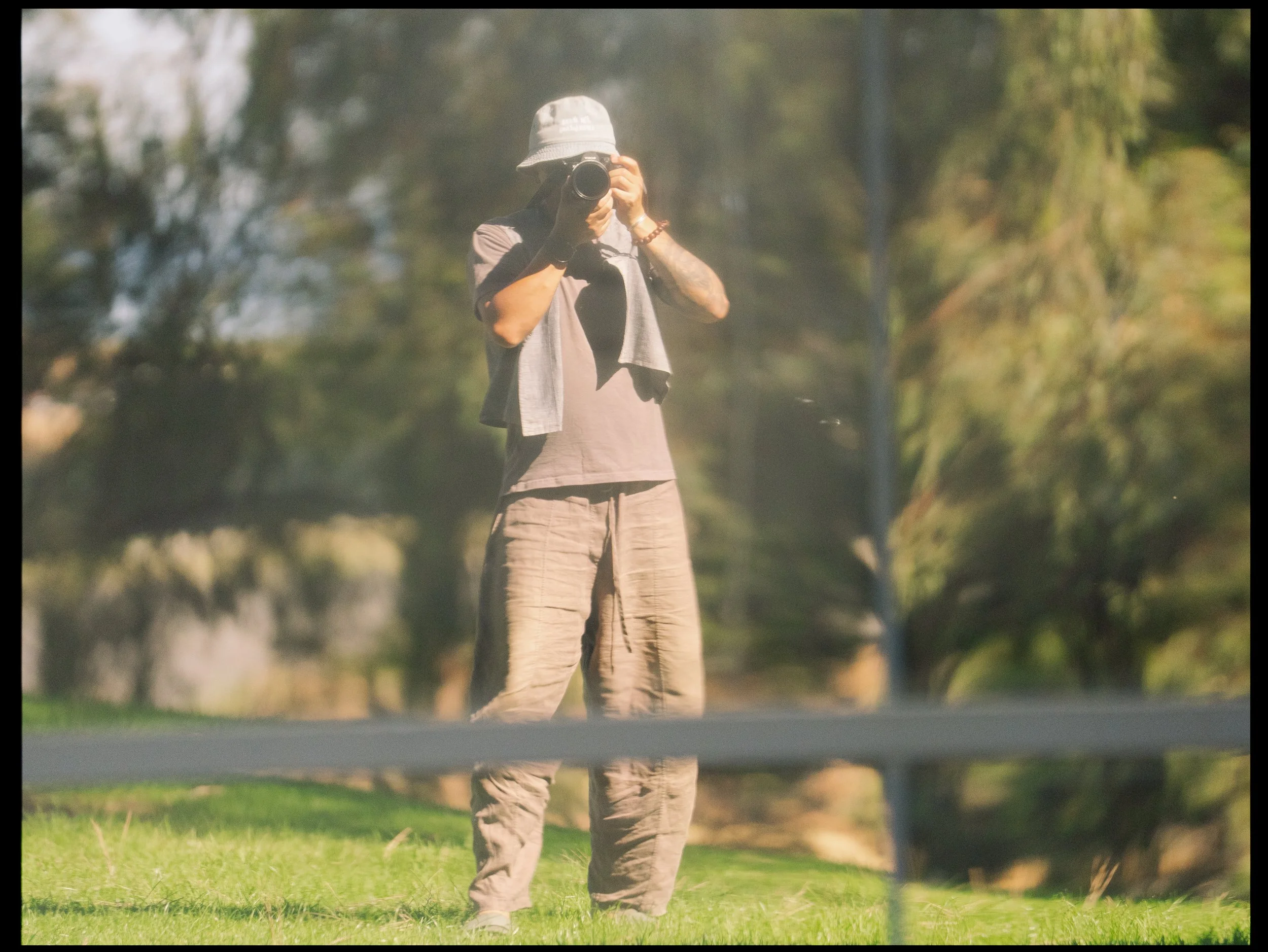
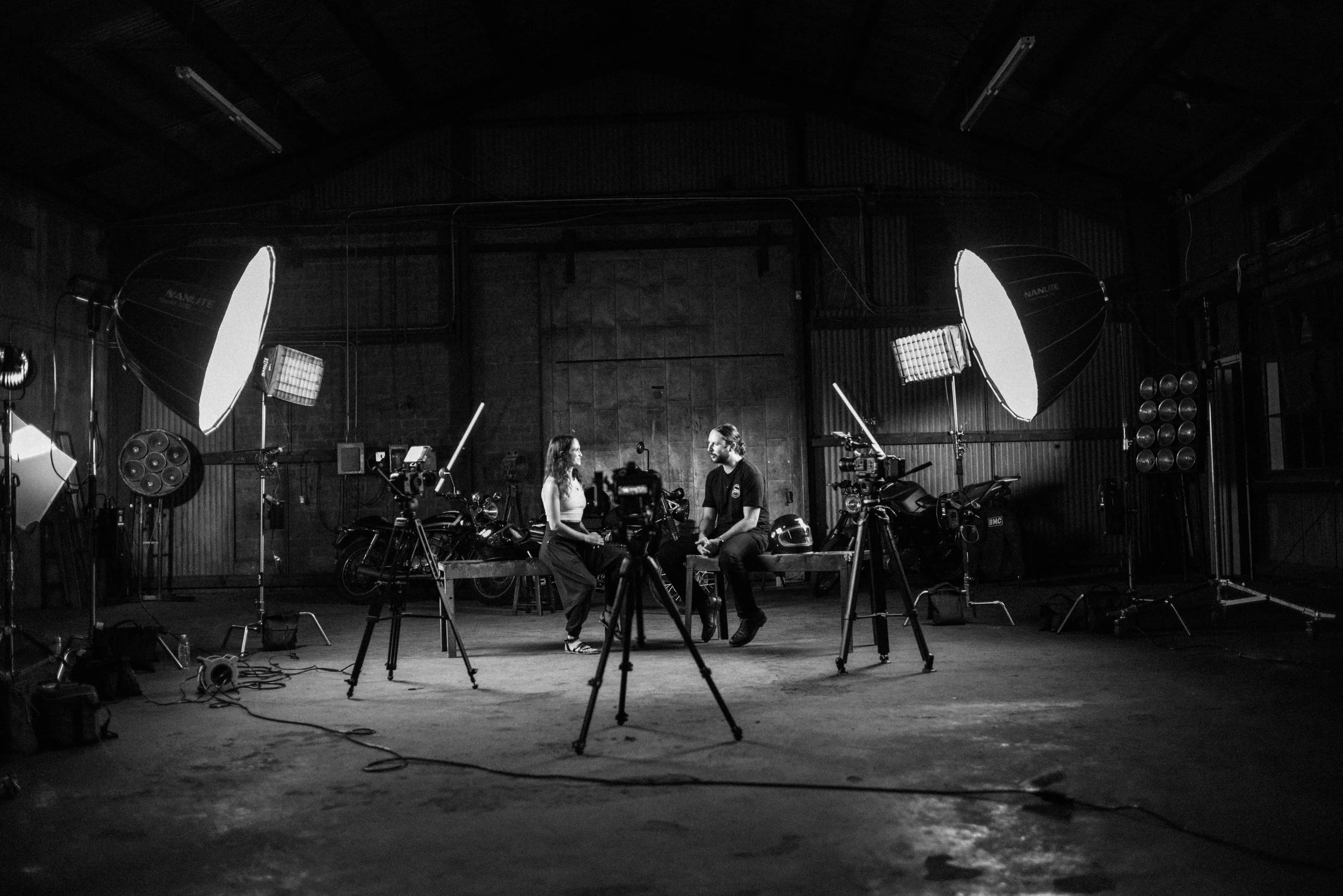
I spent years traveling, working as a cinematographer, meeting people, experiencing different cultures, and collecting stories. From the outside, my life appeared to offer a great deal of freedom. I could go places, meet people, and make a living doing something I loved.
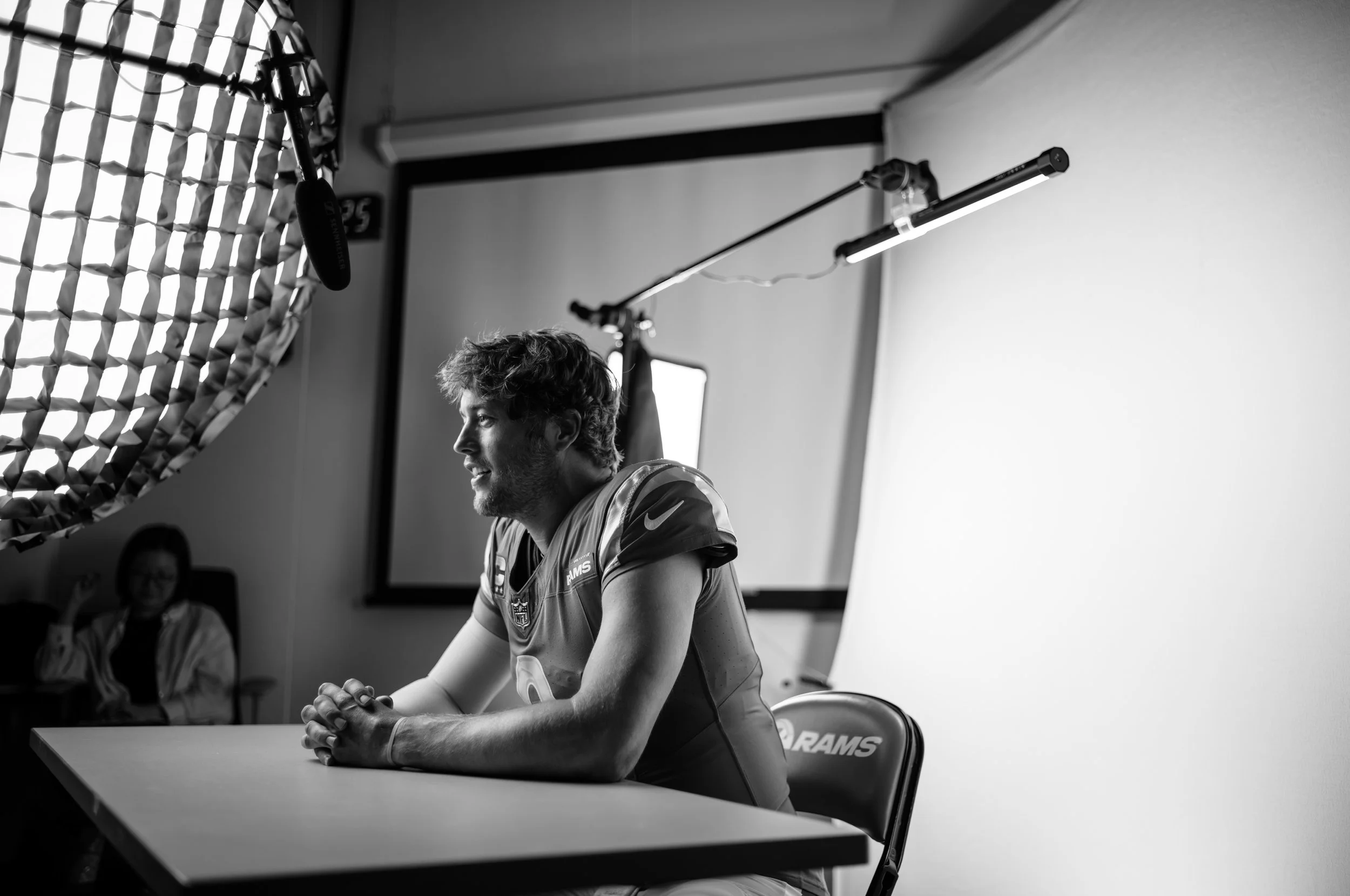
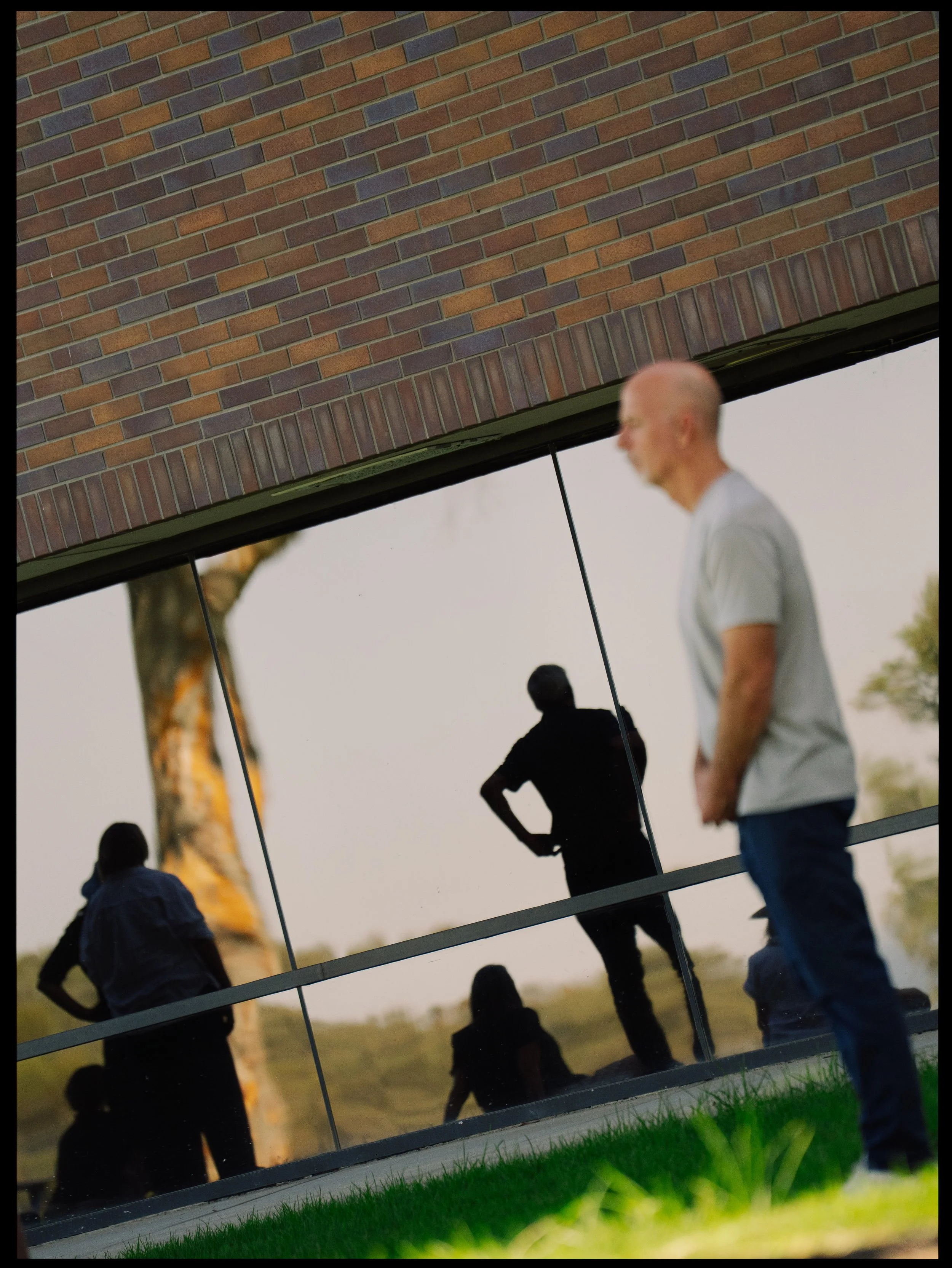
Yet I often found myself surrounded by people without feeling truly connected to anyone. I could spend an evening at a party, exchanging stories and laughter, only to return home feeling more alone than before.
There was always somewhere else to go, something else to achieve, another experience waiting around the corner.
I mistook movement for freedom.
And perhaps, without realizing it, I was running away from myself.
A Different Way of Living
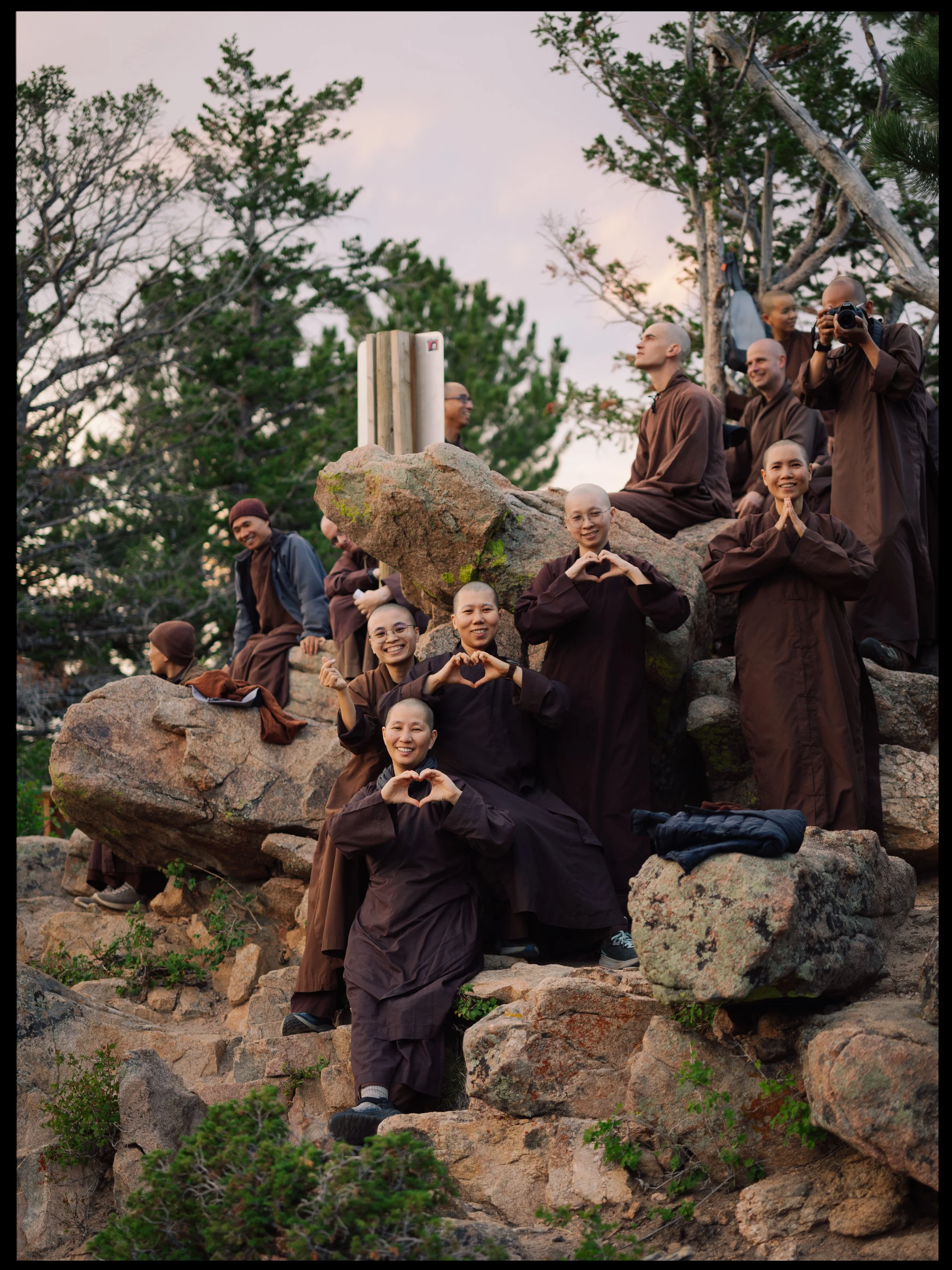
When I came to live at Deer Park Monastery, I encountered a way of life that seemed almost incompatible with the world I had known.
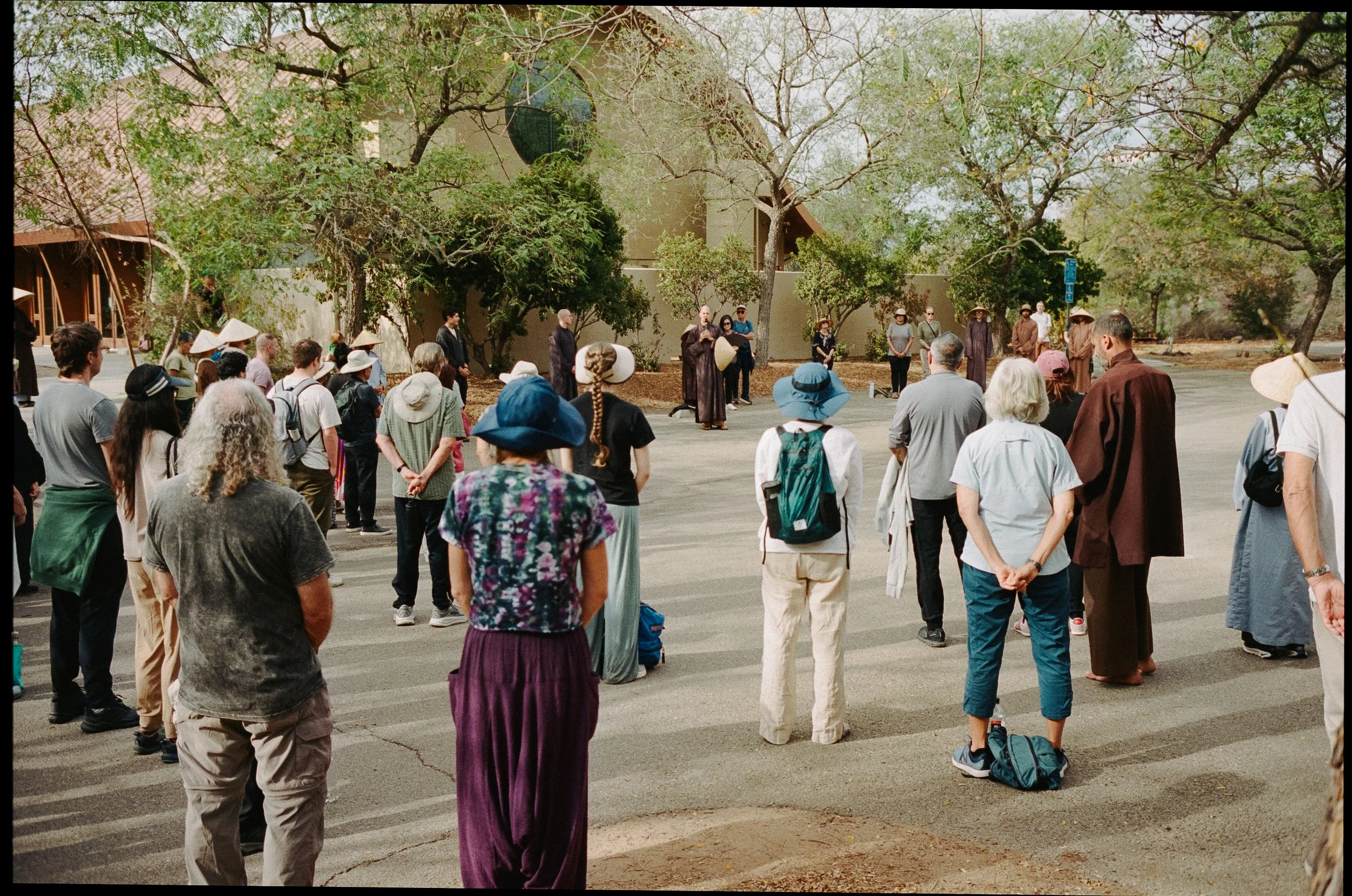
People woke up early to meditate. They walked slowly, ate in silence, listened to the bell, and practiced being present with one another.
There was no great urgency to become someone important.
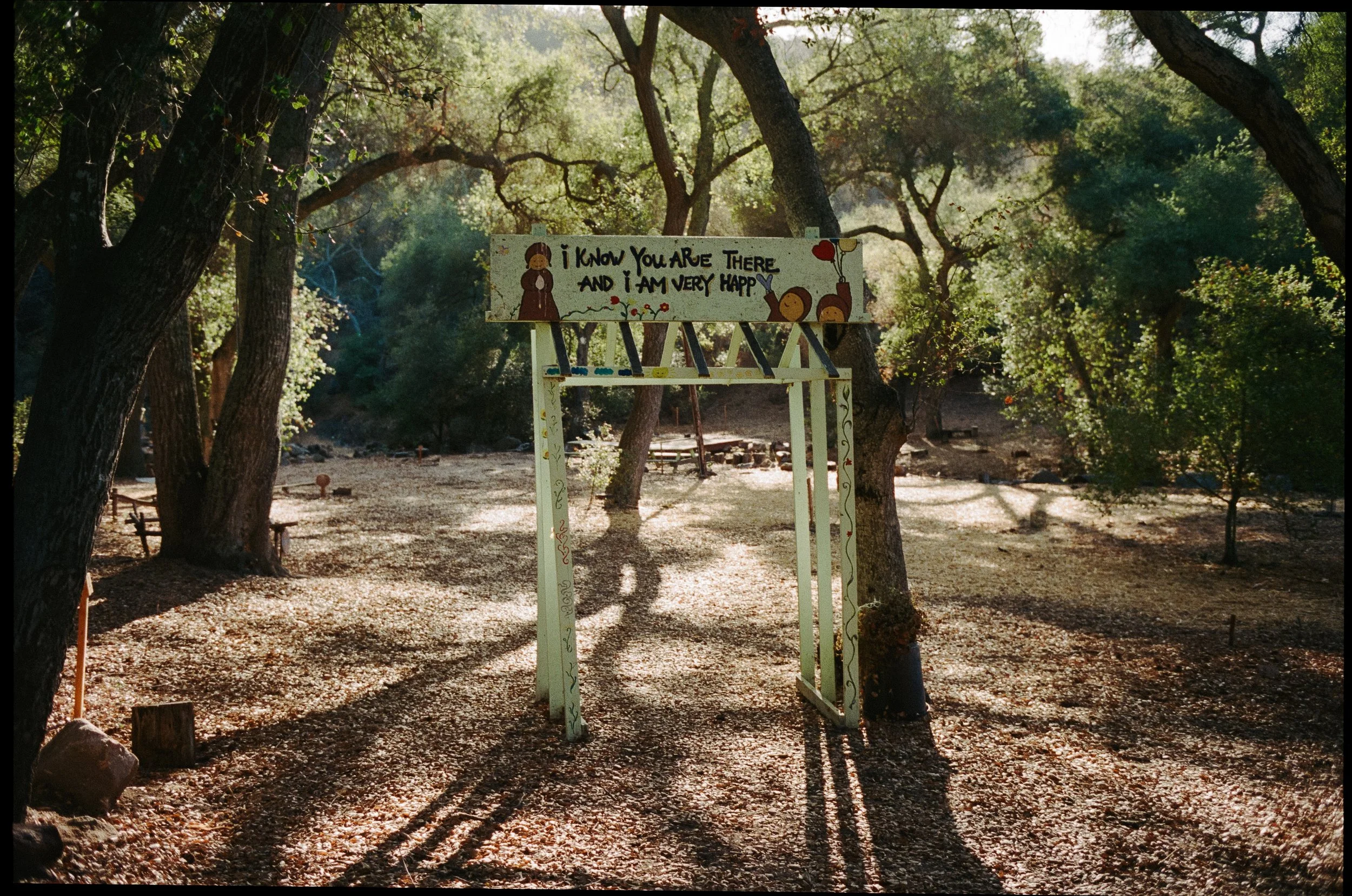
For the first time, I began to question something I had taken for granted my entire life: Why do we spend so much of our lives preparing to live, rather than actually living?
We work for the weekend. We endure the week for a vacation. We sacrifice the present for a future that may never arrive.
And even when we get what we want, the satisfaction rarely lasts. Soon, another desire takes its place.
At Deer Park, I began to experience another possibility.
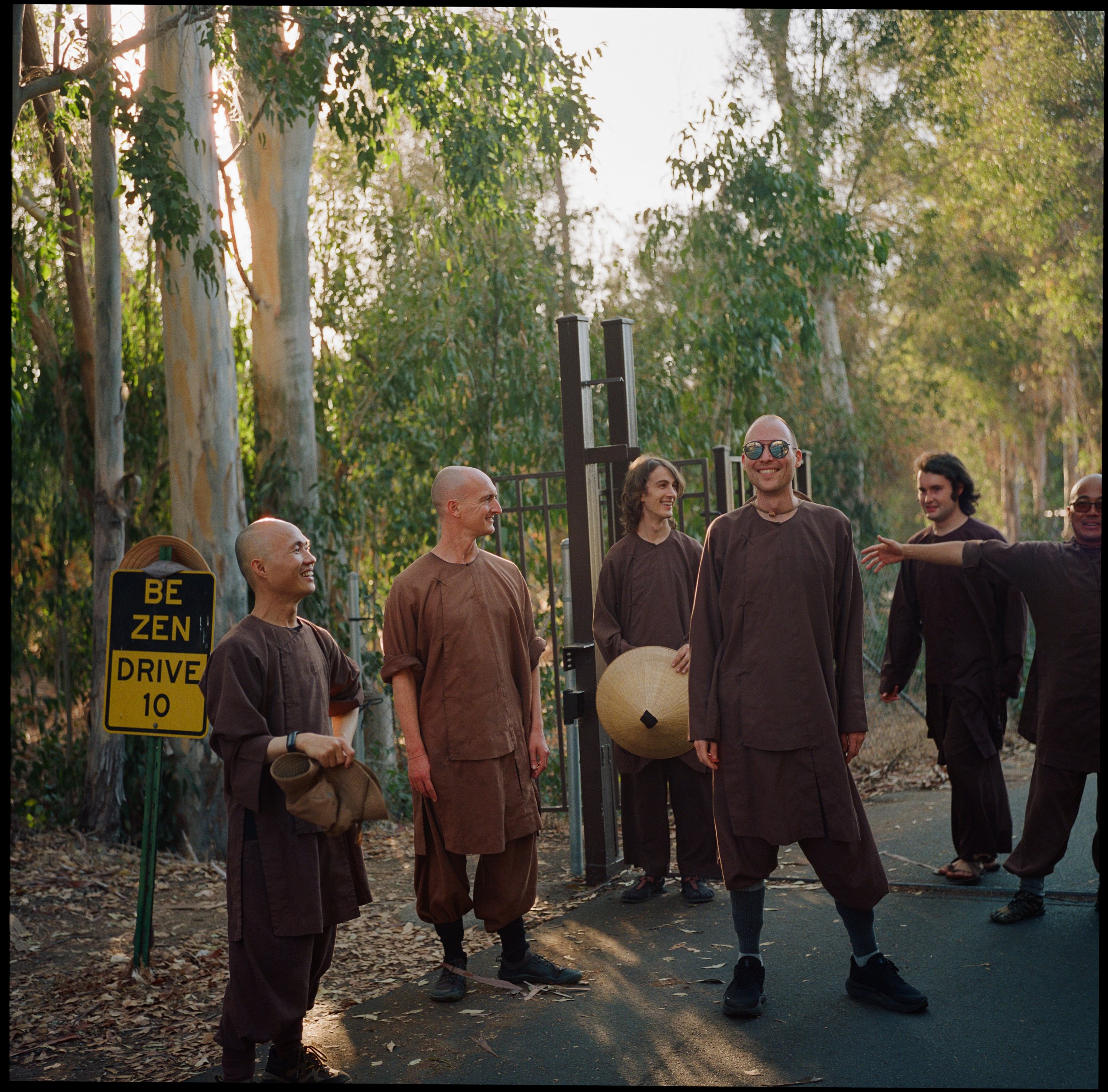
I witnessed people caring for one another without expecting anything in return. I saw the happiness of one person nourish an entire community. While photographing retreats, I watched strangers arrive carrying their own suffering and gradually soften in the presence of others.
During a Day of Mindfulness, I experienced something that stayed with me: the happiness of others could genuinely become my own happiness.
I didn’t need to possess it. I only needed to be present for it.
Something inside me began to change.
But the journey was far from peaceful.
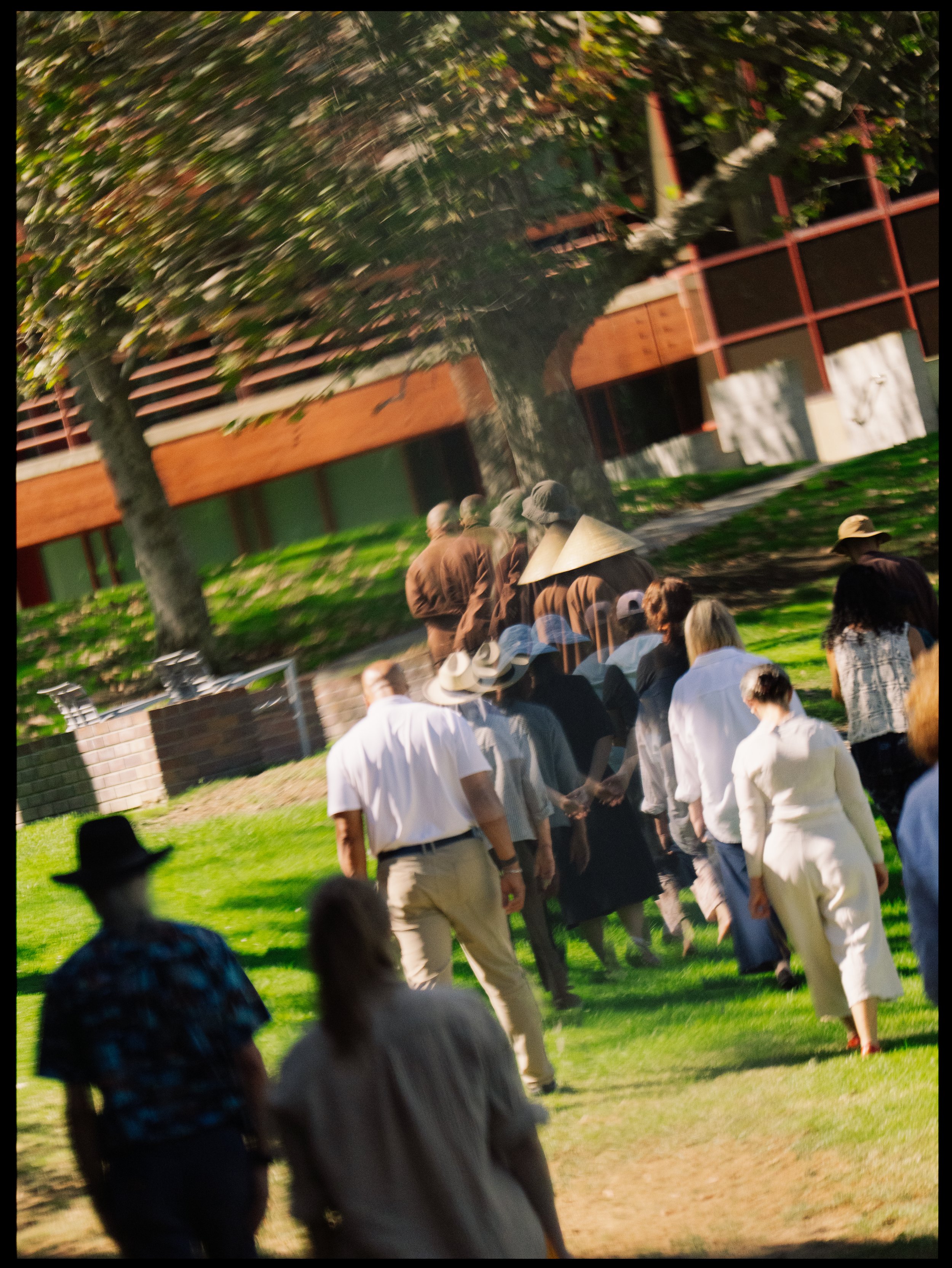
When the Illusion Began to Fall Apart
The longer I lived in the monastery, the more I began to see what I had initially overlooked.
Monastics were human beings.
They had habits, preferences, frustrations, misunderstandings, and limitations. Community life was not always harmonious. People sometimes failed to listen deeply. Good intentions did not always lead to skillful actions.
I found myself becoming increasingly disappointed.
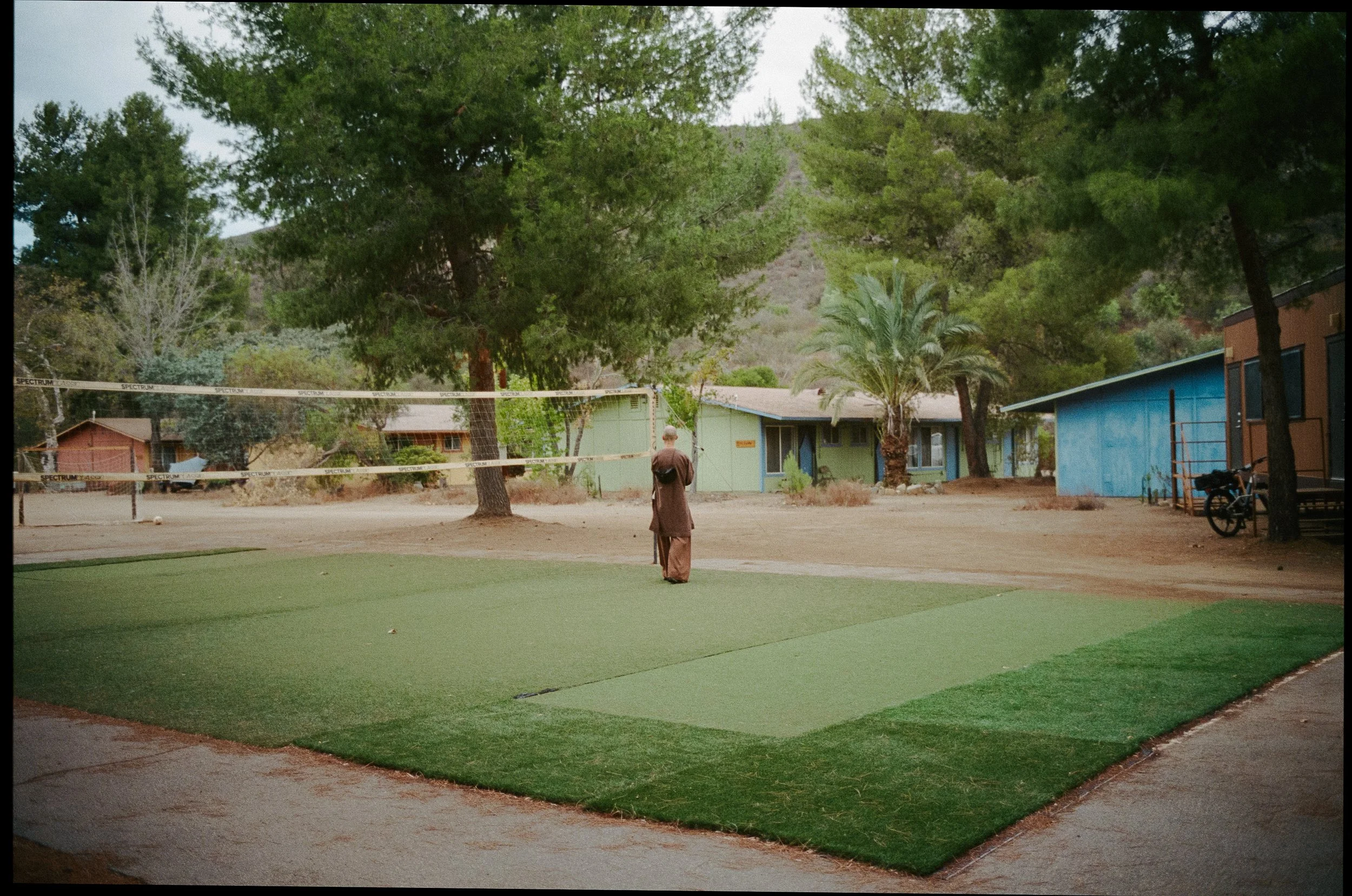
At times, I felt alienated from the very community that had once given me so much happiness.
I began questioning whether I belonged there at all.
I had imagined that living among people devoted to mindfulness would somehow free me from the difficulties of ordinary human relationships.
Instead, I discovered that I had brought my own suffering with me.
I was still judging. Still expecting. Still wanting reality to be different from what it was.
The more I believed people should behave in a certain way, the more I suffered when they didn’t.
Eventually, I began to recognize a pattern.
I was constantly placing labels on things.
This person is a monk, therefore he should be compassionate. This is a monastery, therefore it should be harmonious. This is a spiritual community, therefore I should feel peaceful.
And when reality failed to match the images I had created, disappointment followed.
The suffering wasn’t simply in what happened.
Much of it came from the stories my mind constructed around what happened.
I was beginning to understand the teaching of signlessness, not merely as a philosophical concept, but as something painfully relevant to my everyday life.
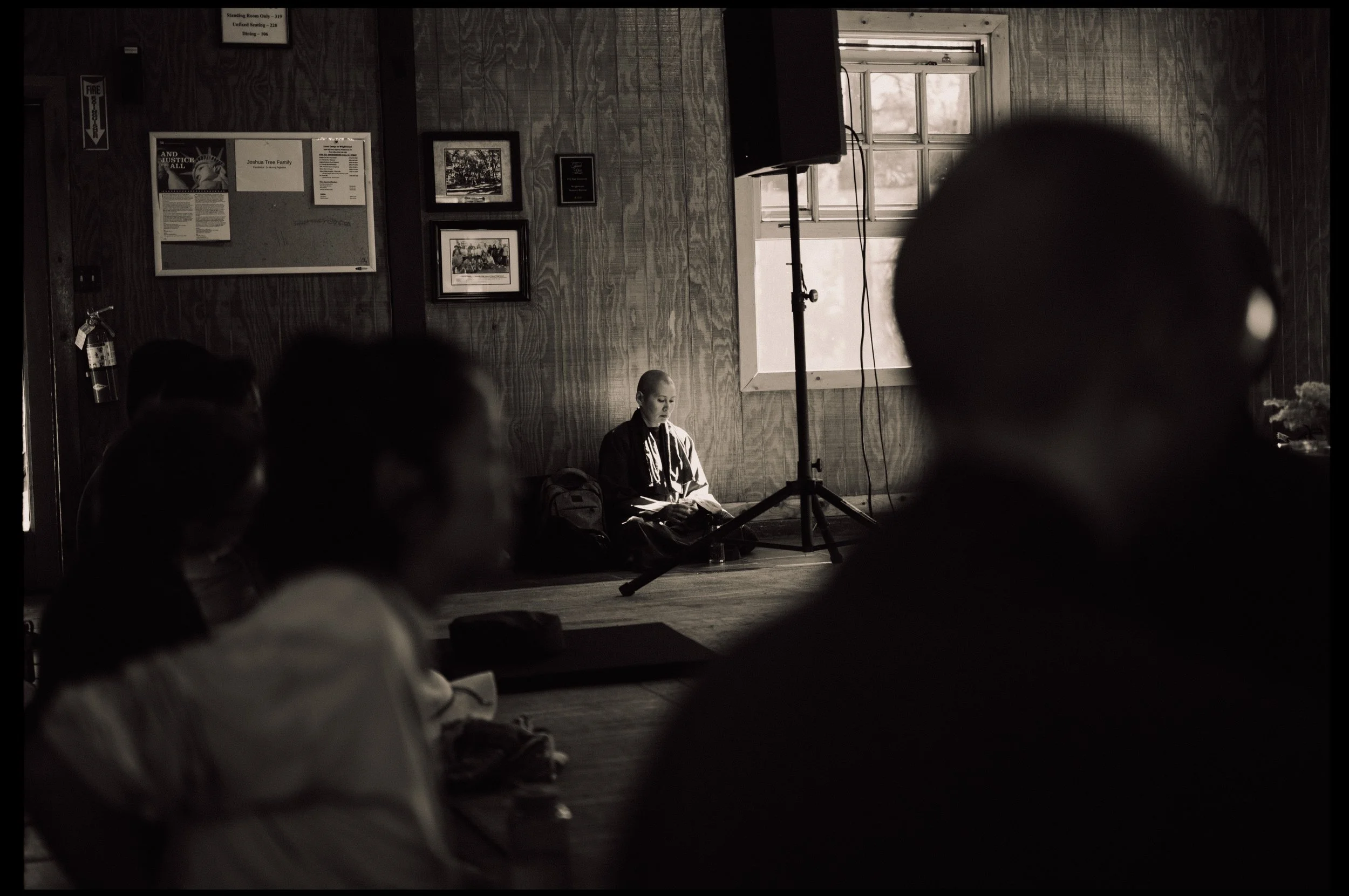
Perhaps I wasn’t seeing people as they were.
Perhaps I was seeing my expectations of them.
And perhaps I had been doing the same thing to myself.
The Prison of Identity
For years, I had identified myself through the things I did, the experiences I accumulated, the places I visited, and the stories I told about my life.
I was a photographer. A filmmaker. A traveler. An independent person.
Even my idea of freedom had become an identity.
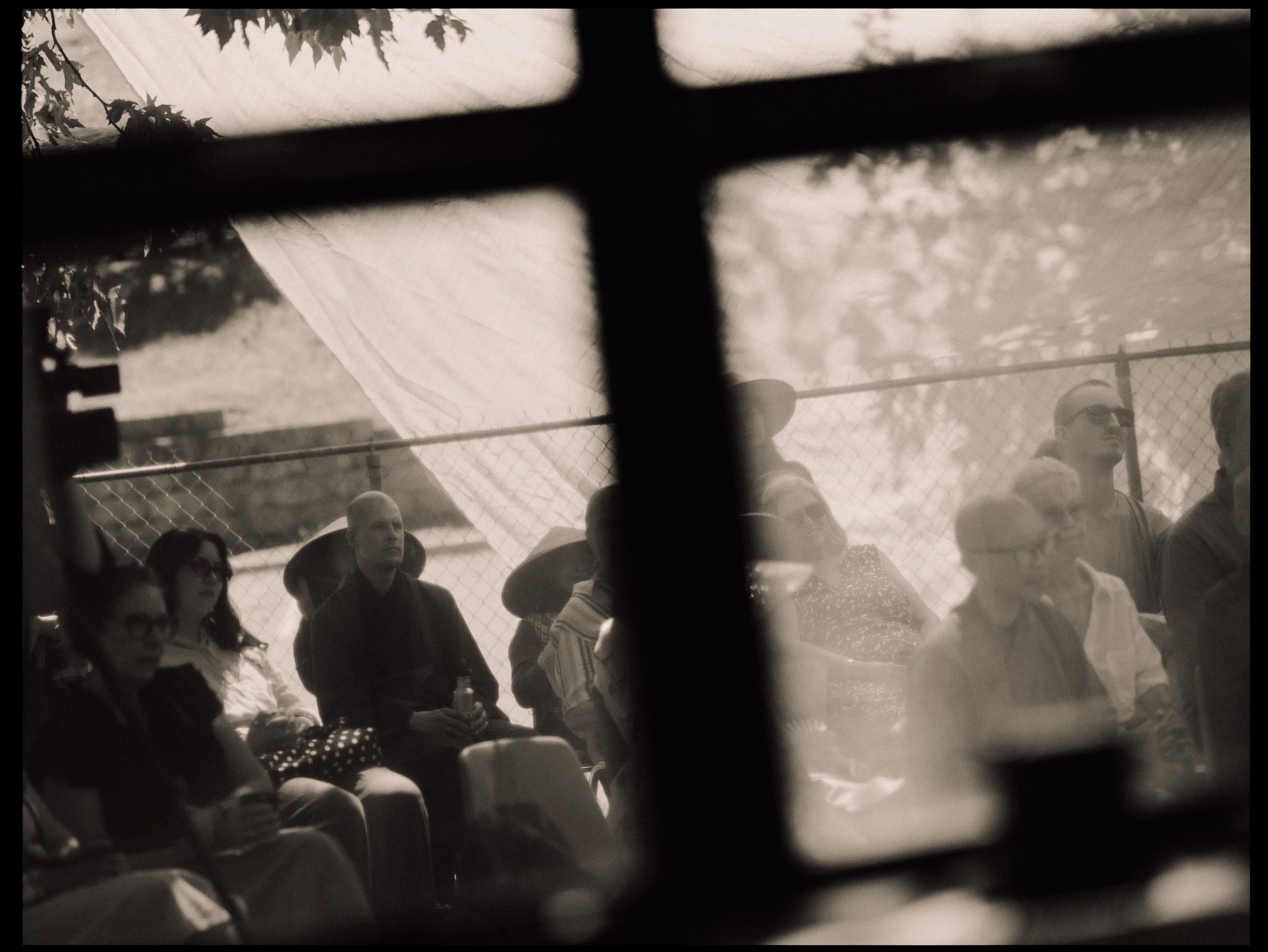
At the monastery, another identity began to tempt me: becoming a monk.
I admired the simplicity of monastic life, the commitment to practice, and the possibility of devoting an entire lifetime to understanding suffering and cultivating compassion.
But I was also afraid of becoming attached to the image of a monk.
What if I was simply exchanging one identity for another?
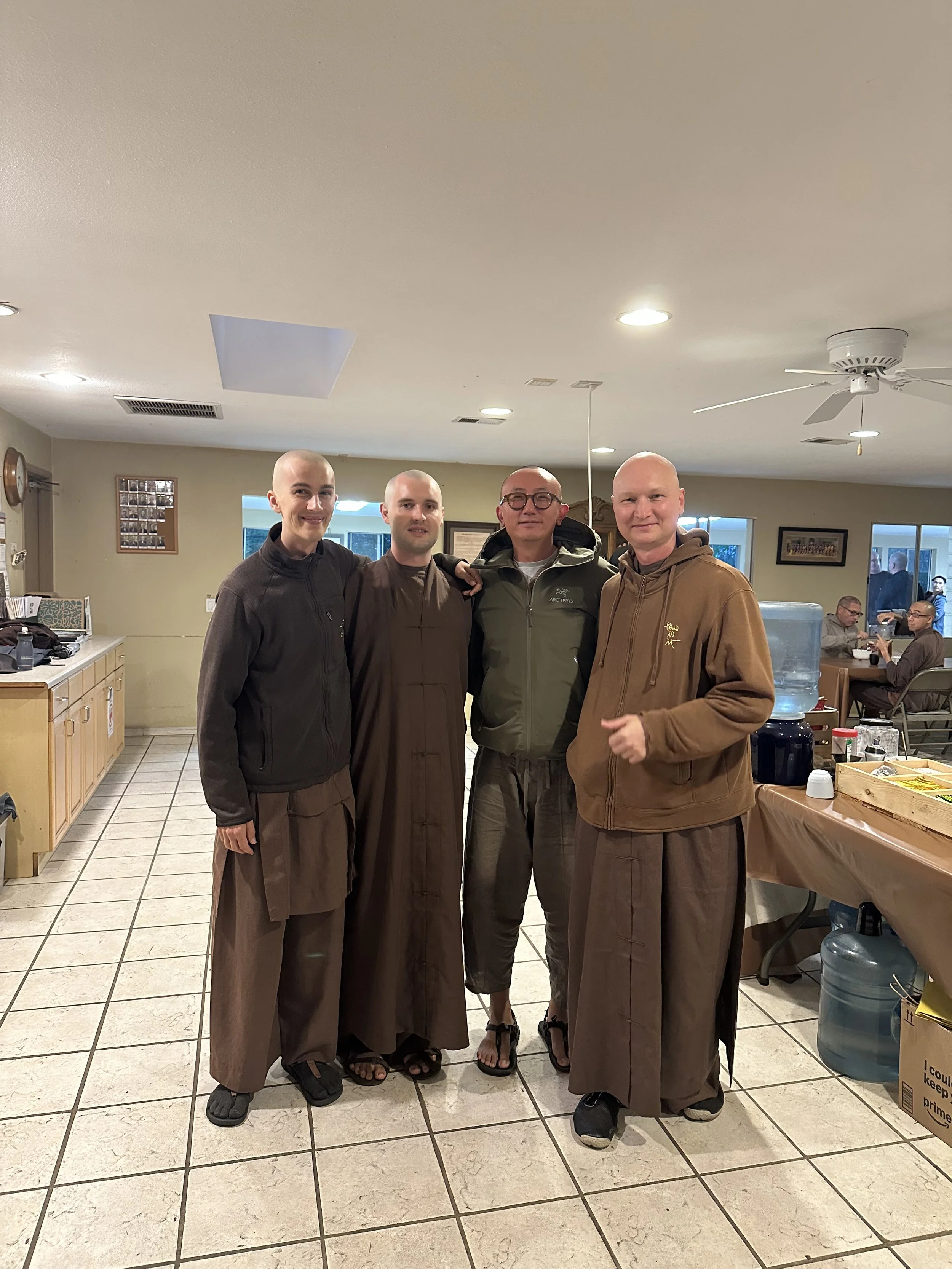
What if the desire to ordain was another attempt to become someone, to find a place where I finally belonged?
I began to see that renunciation, nekkhamma, might mean something much deeper than giving up possessions, careers, or ordinary pleasures.
Perhaps the most difficult thing to renounce is the person we believe ourselves to be.
Our titles. Our achievements. Our opinions. Our personal histories. Even our spiritual aspirations.
Not because these things are inherently wrong, but because we suffer when we mistake them for a permanent self.
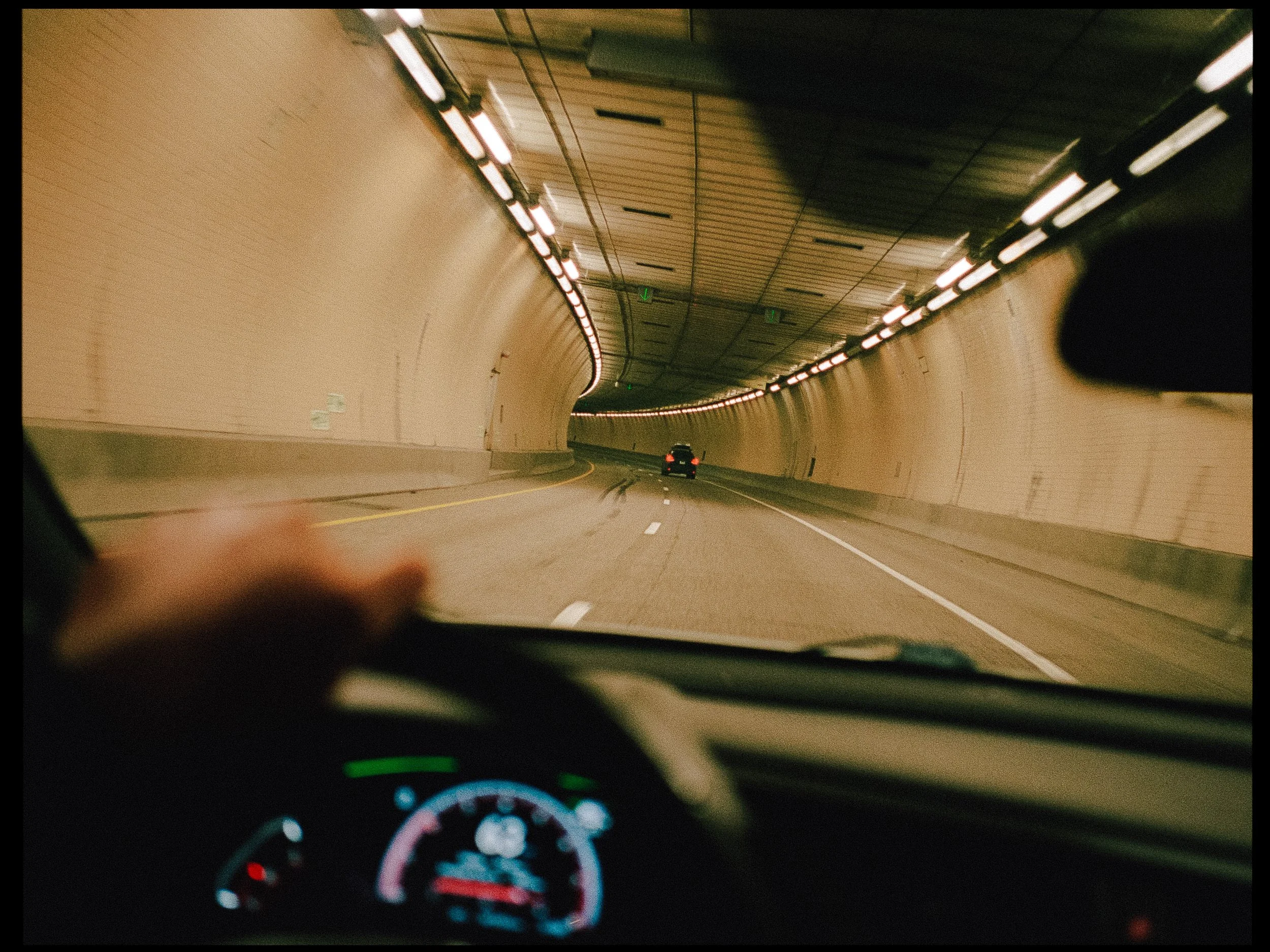
I began to wonder whether true freedom was not the freedom to do whatever I wanted, but the freedom from needing to be anyone at all.
And yet, understanding this intellectually was one thing.
Living it was another.
Learning to Be with What Is
There were days when meditation felt meaningless.
I sat on my cushion, restless and distracted, wondering what I was supposed to be doing. Sometimes I felt peaceful. Other times I felt nothing but boredom or irritation.
I had expected spiritual practice to make me progressively happier, wiser, and more peaceful.
Instead, it seemed to reveal how much agitation had always been present within me.
Gradually, I began to understand that the practice wasn’t about manufacturing a particular state of mind.
It was about learning to recognize whatever was already there.
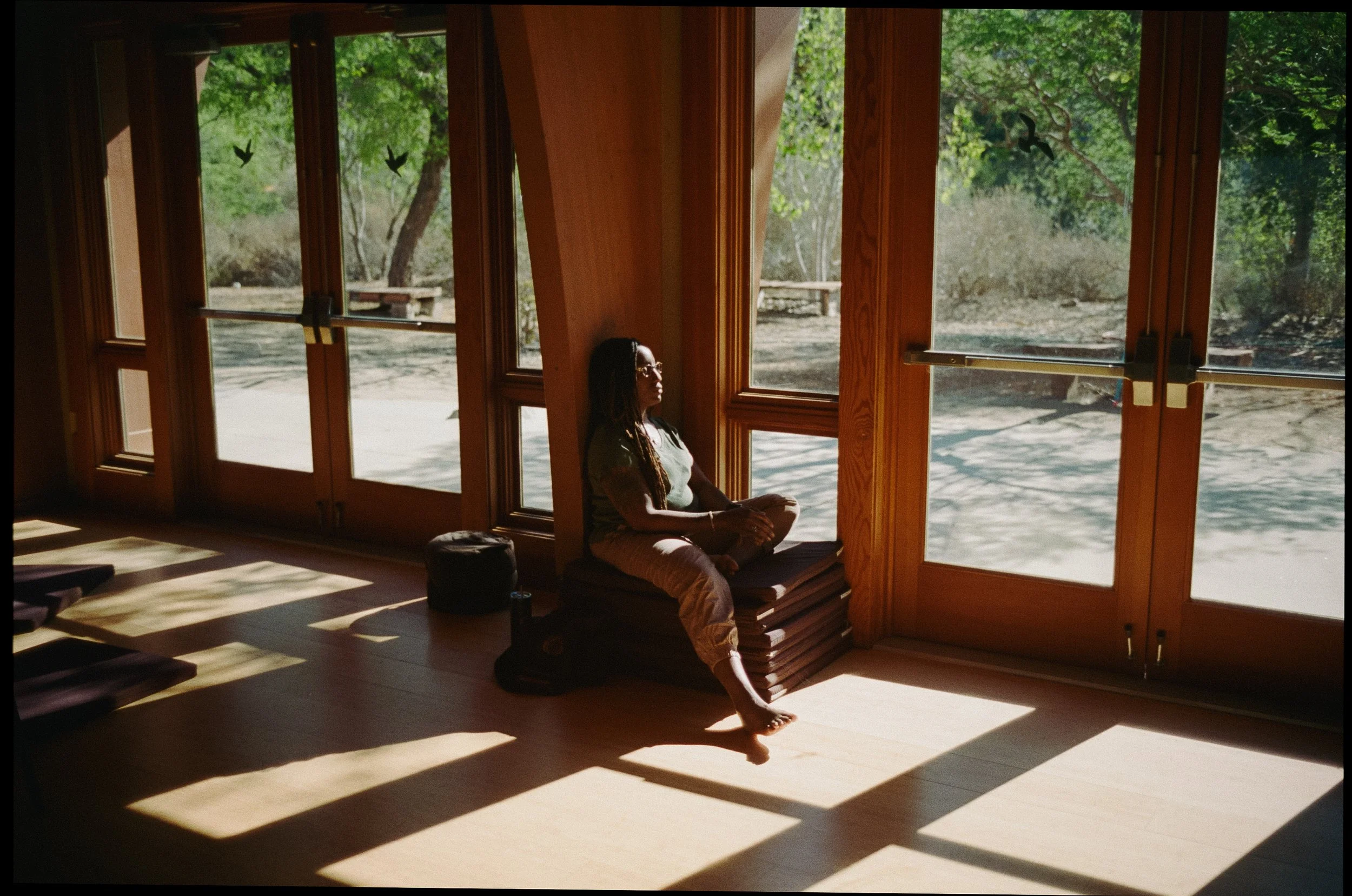
One day, standing in line for food, I noticed irritation arising.
Nothing particularly terrible was happening. My mind simply disliked the situation.
Rather than following the irritation, I closed my eyes for a moment and brought my attention to the food, the people who had prepared it, and the countless conditions that made this meal possible.
Gratitude arose.
Then ease.
The external situation hadn’t changed at all.
But my relationship with it had.
It was a small moment, yet it taught me something profound.
Happiness did not always require the world to rearrange itself according to my preferences.
It could be cultivated right here, in the middle of an imperfect situation.
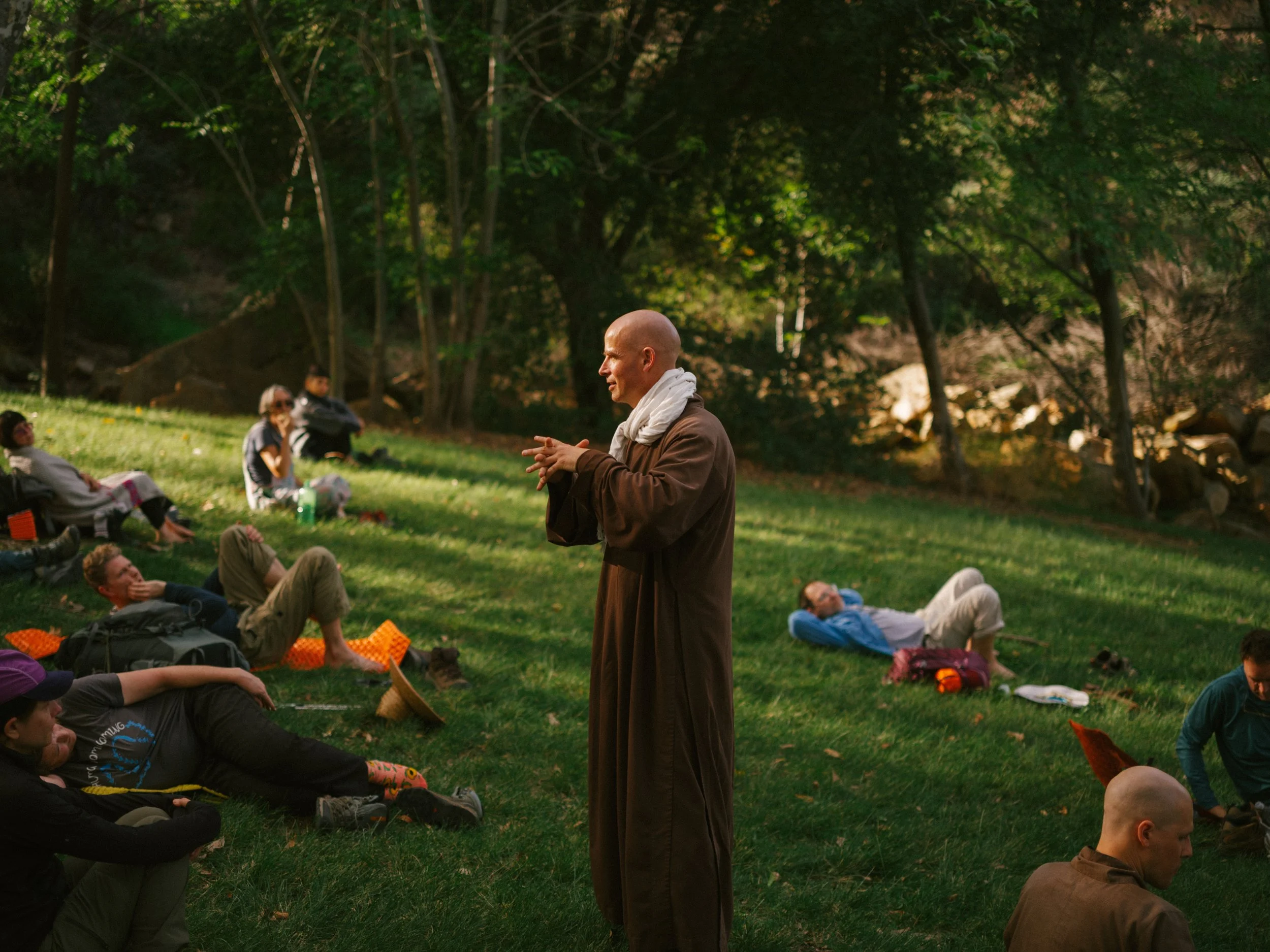
I began practicing gladdening the mind, concentrating the mind, and liberating the mind, as taught in the sixteen exercises of mindful breathing.
Slowly, the teachings began moving from my head into my lived experience.
The World Beyond Myself
Some of my deepest moments of connection happened outside the meditation hall.
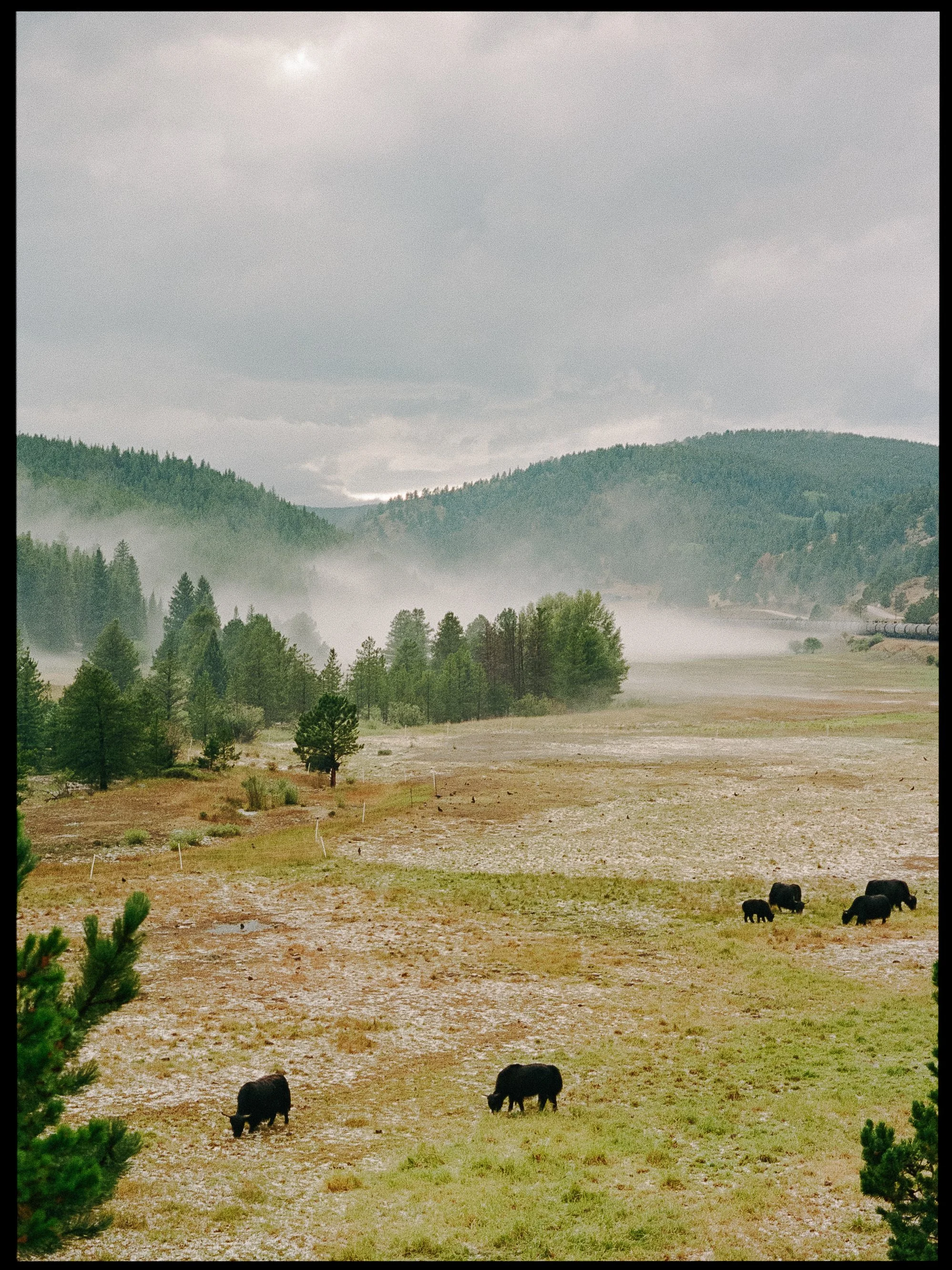
While traveling through Colorado and Utah, I found myself moved by things I might once have passed without noticing.
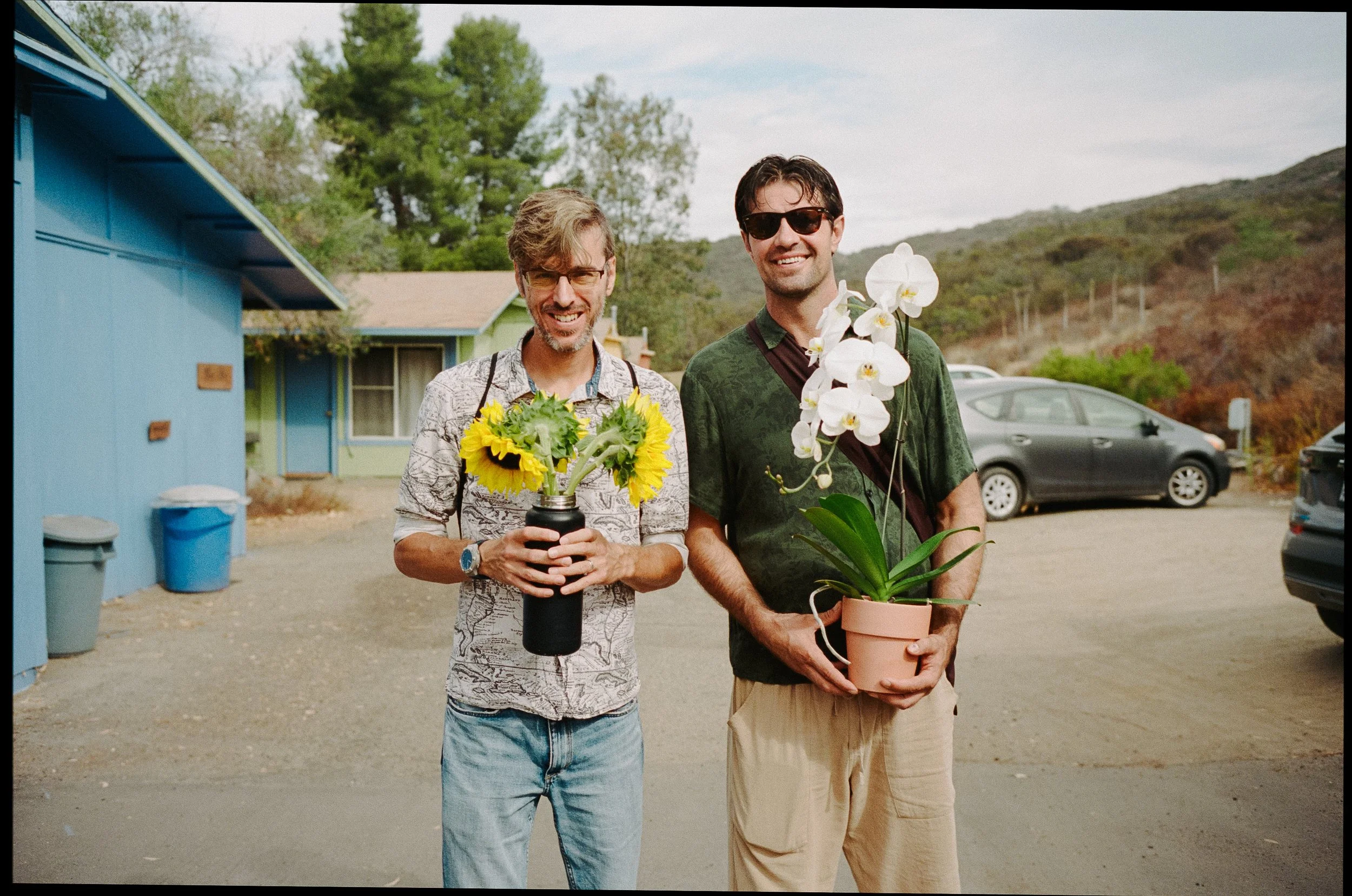
Wild sunflowers growing beside an empty road.
The echo of my footsteps in a canyon.
The quiet presence of mountains, existing without any concern for who I was.
And also, the bodies of animals killed along the highway.
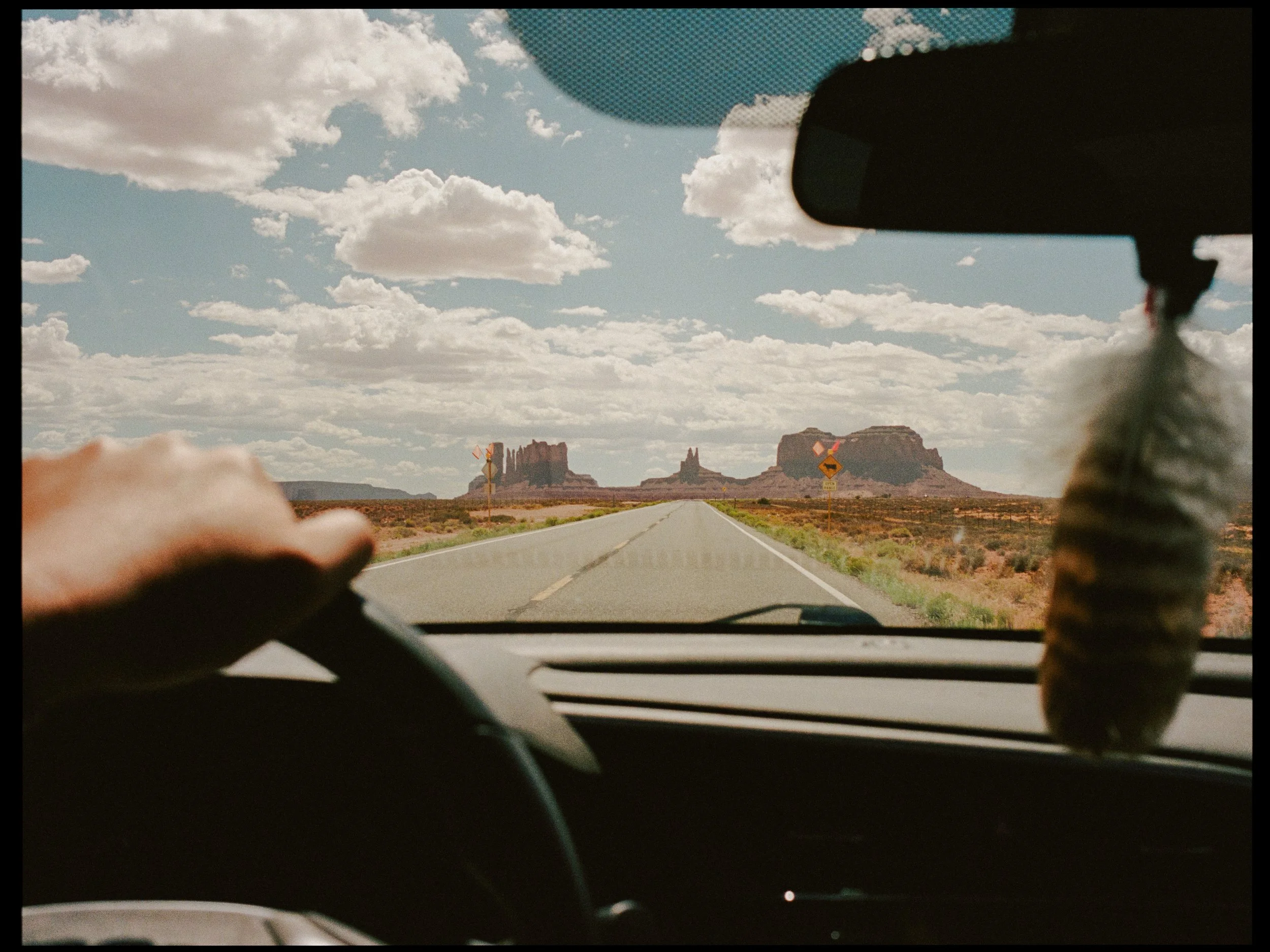
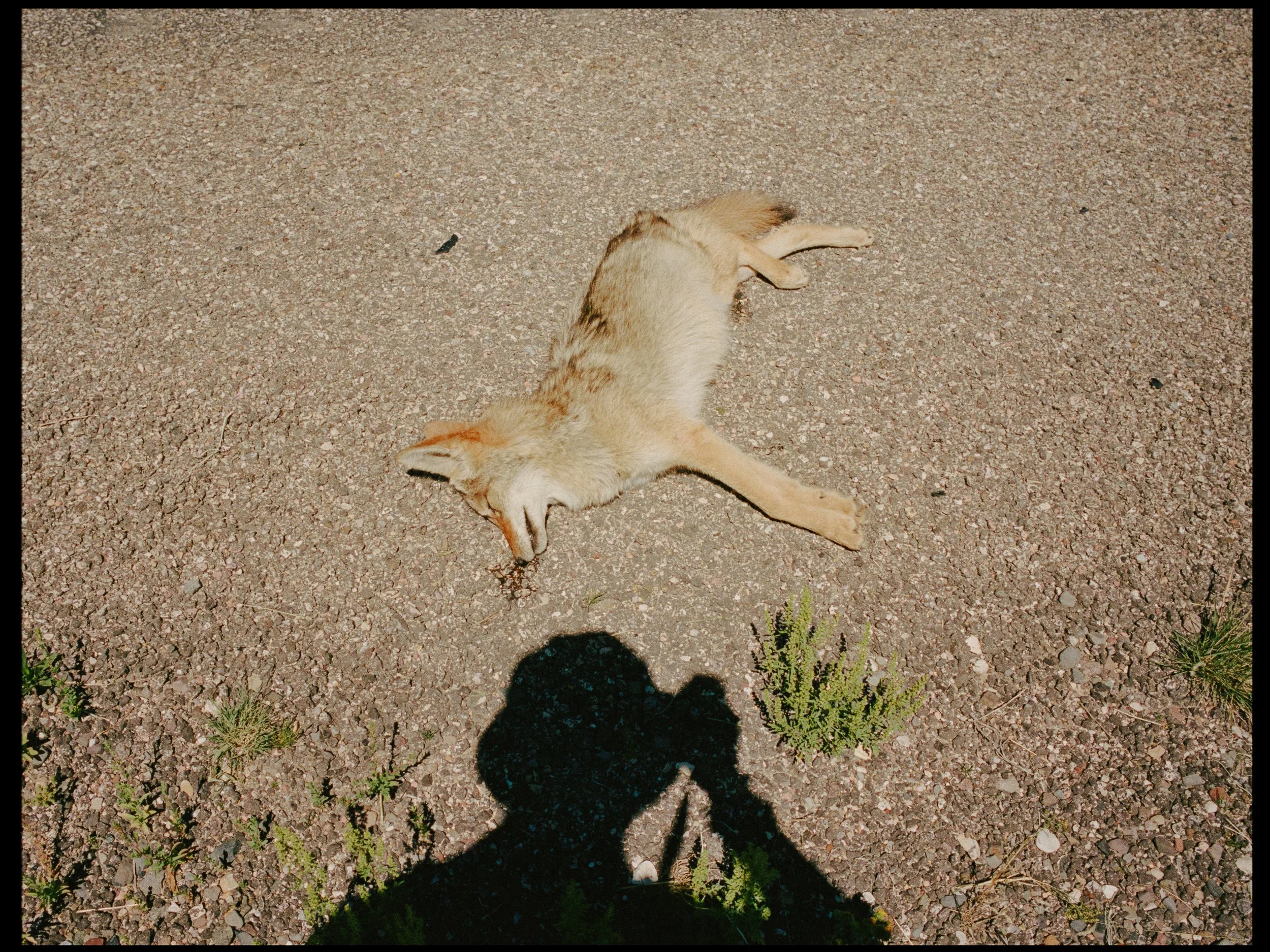
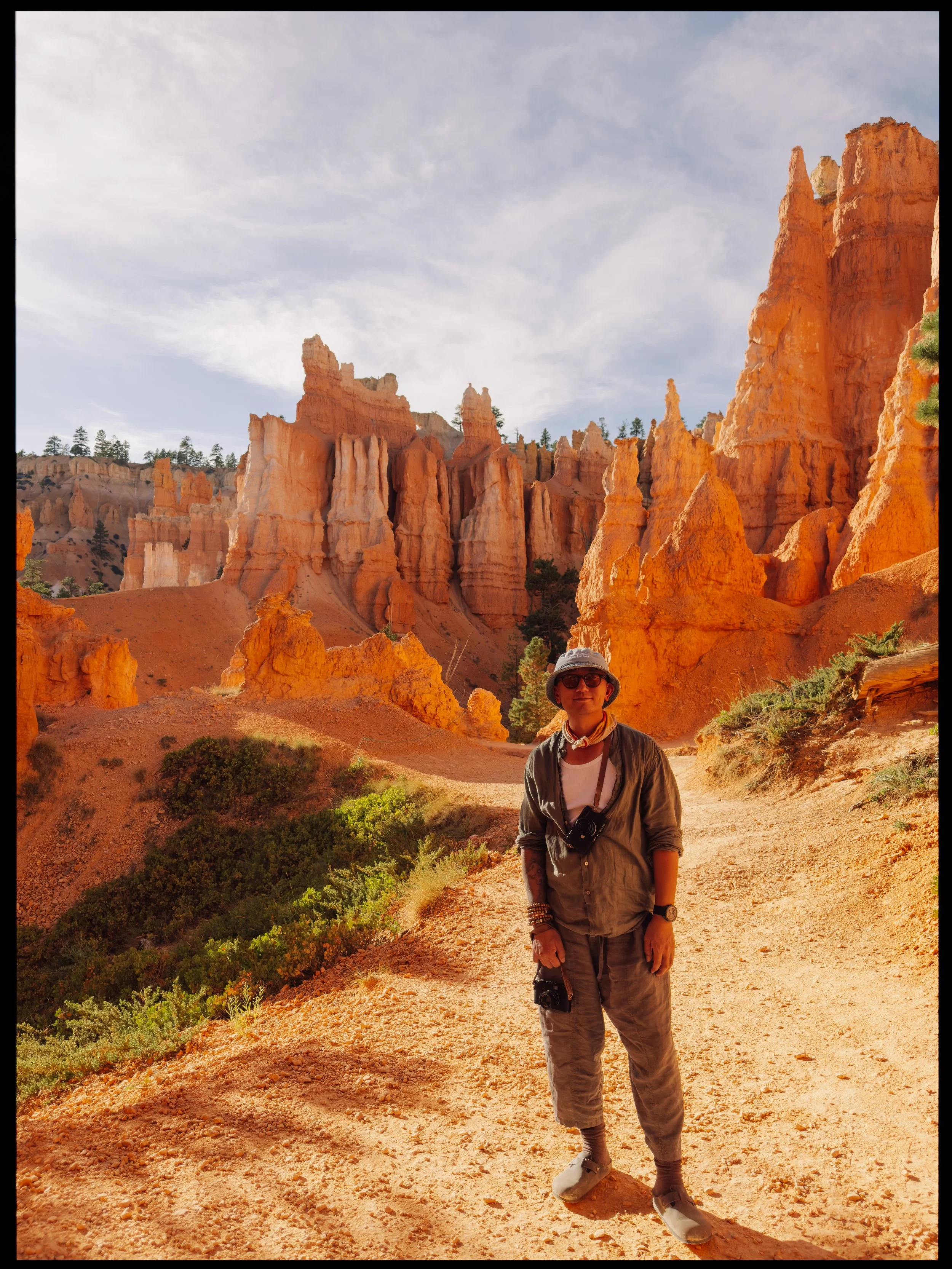
I remember feeling an almost physical pain in my chest when I saw them.
At times, the boundary between myself and another living being seemed less certain than I had always assumed.
I began to feel that suffering and beauty were not separate worlds.
They were both present, constantly, within the same life.
The sunflower and the animal lying beside the road belonged to the same reality.
So did I.
I thought often of Thầy’s poem, Please Call Me by My True Names.
Perhaps compassion begins when we stop seeing ourselves as entirely separate from the world around us.
And perhaps freedom begins when we stop trying to protect a fixed idea of who we are.
I was learning to see that I was not an isolated individual standing apart from life, but a continuation of countless conditions.
The people who loved me. The people who hurt me. The strangers who fed me. The teachers who challenged me. The forests, the mountains, the rain, the sunlight.
None of these were truly separate from what I called myself.
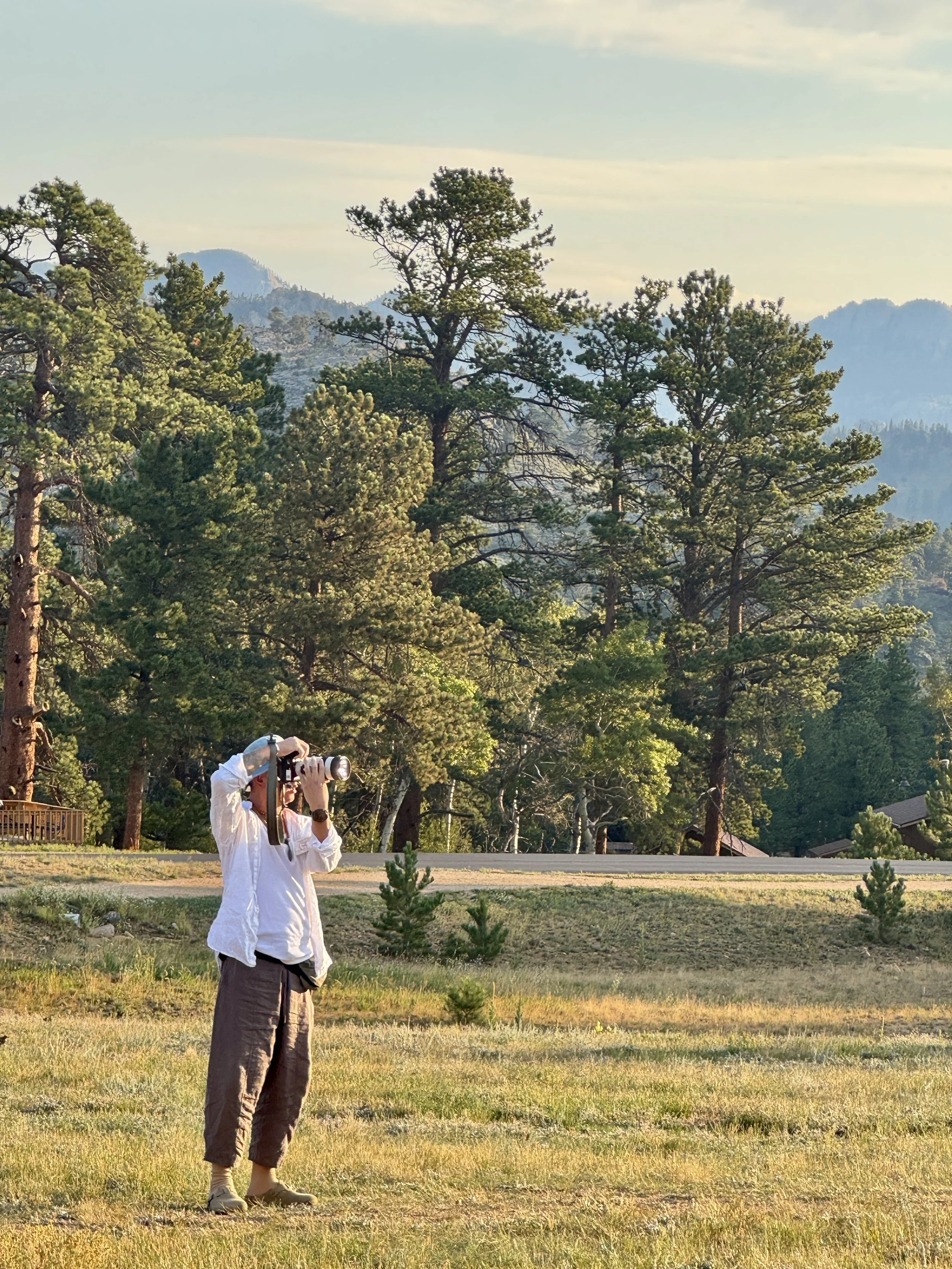
The Home I Couldn’t Find
Despite everything I was learning, one question continued to trouble me.
Where was home?
I had spent much of my life moving between places, relationships, and different versions of myself.
At Deer Park, I had found something resembling a family.
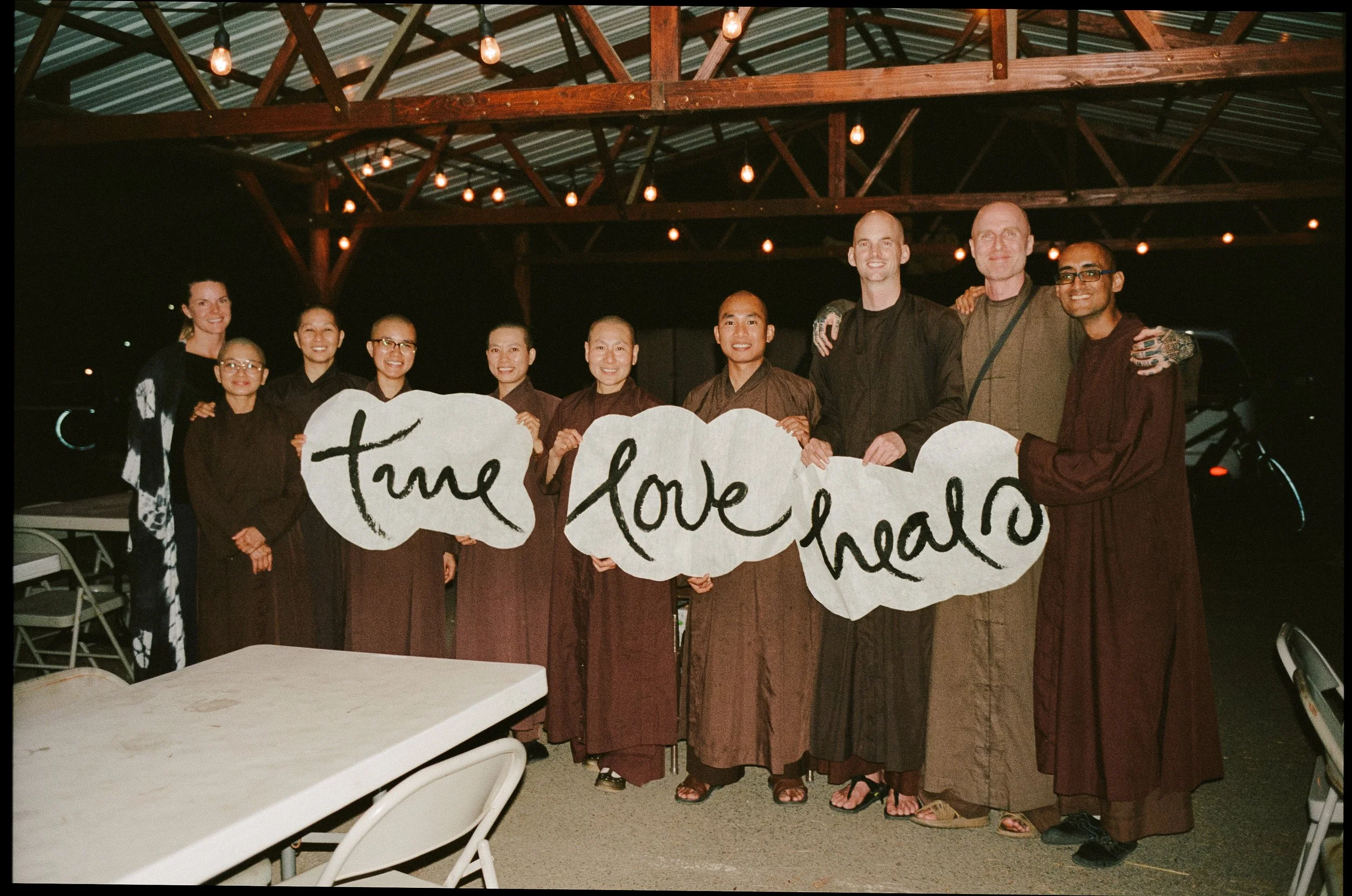
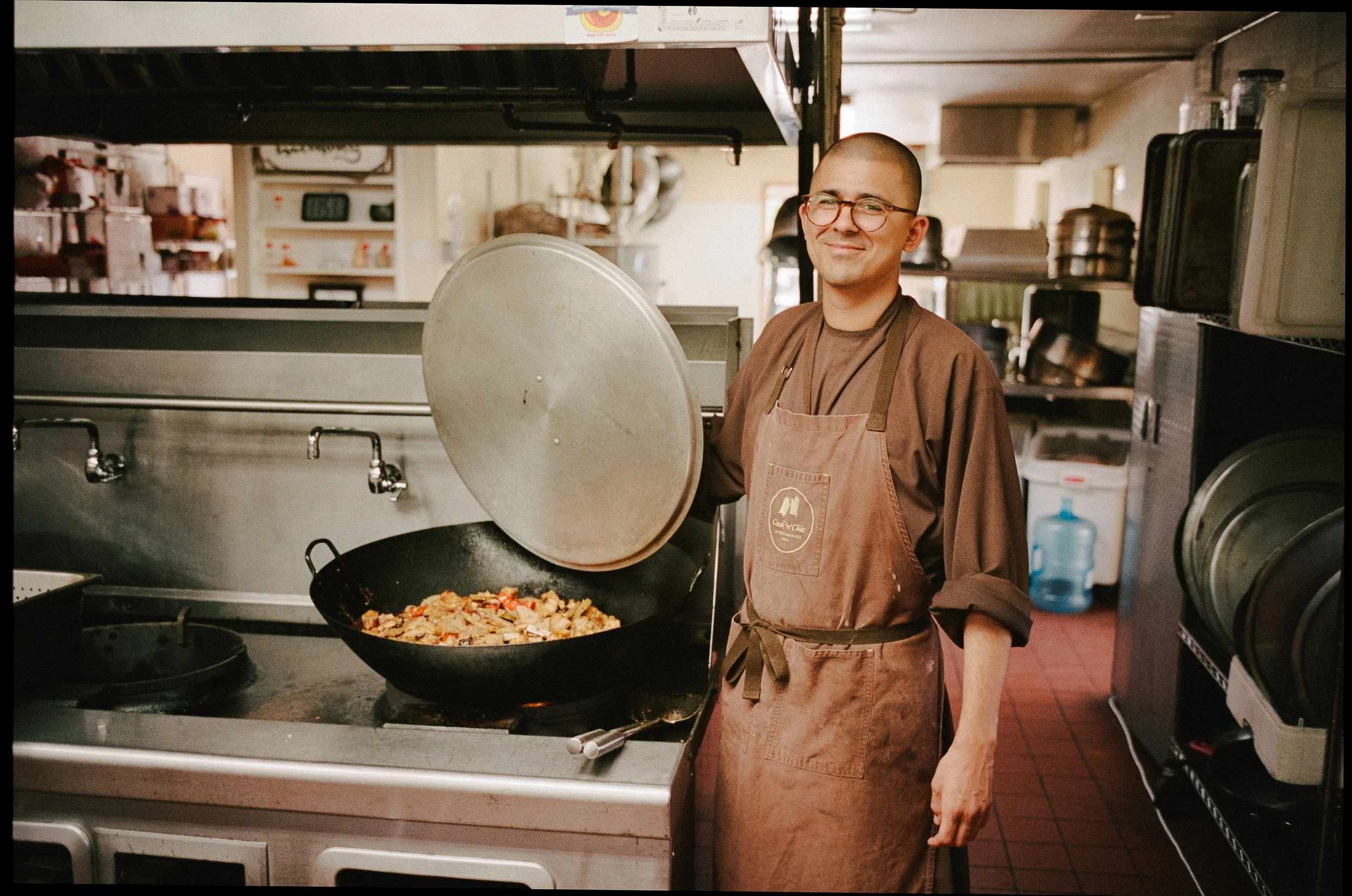
The brothers and sisters welcomed me, cared for me, and allowed me to participate in their lives. During retreats, some embraced me as one of their own.
I felt the warmth of siblinghood.
Yet I was still caught between two worlds.
I wasn’t a monk, but I no longer felt entirely at home in my former way of life.
I valued freedom, but I also longed for community.
I understood non-attachment, yet I still wanted somewhere to belong.
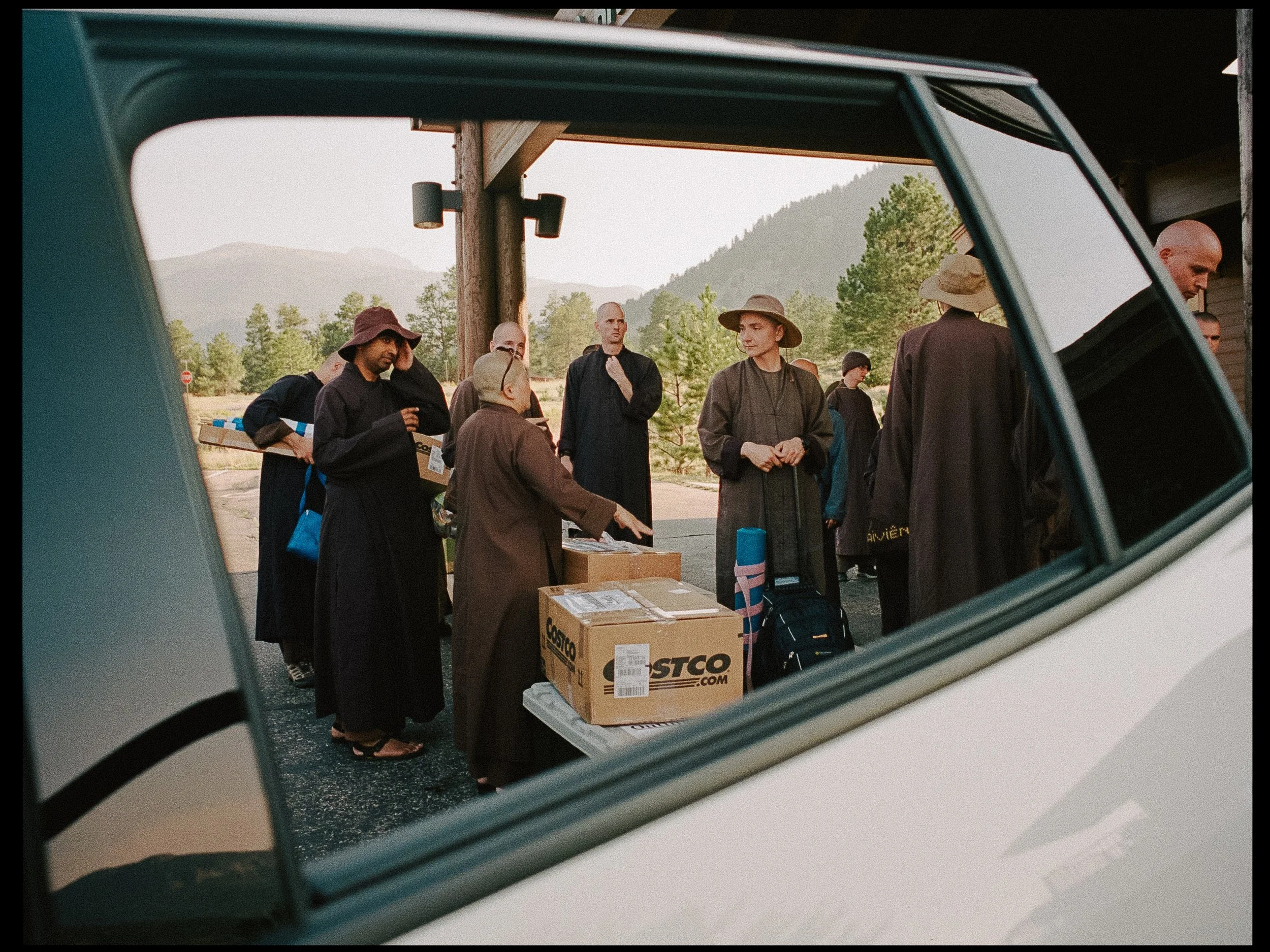
Sometimes I wanted to leave the monastery altogether.
Sometimes I couldn’t imagine leaving.
Looking back, I see that I was still searching for home as an external condition.
A place. A community. A particular way of life.
Something that could finally make me feel complete.
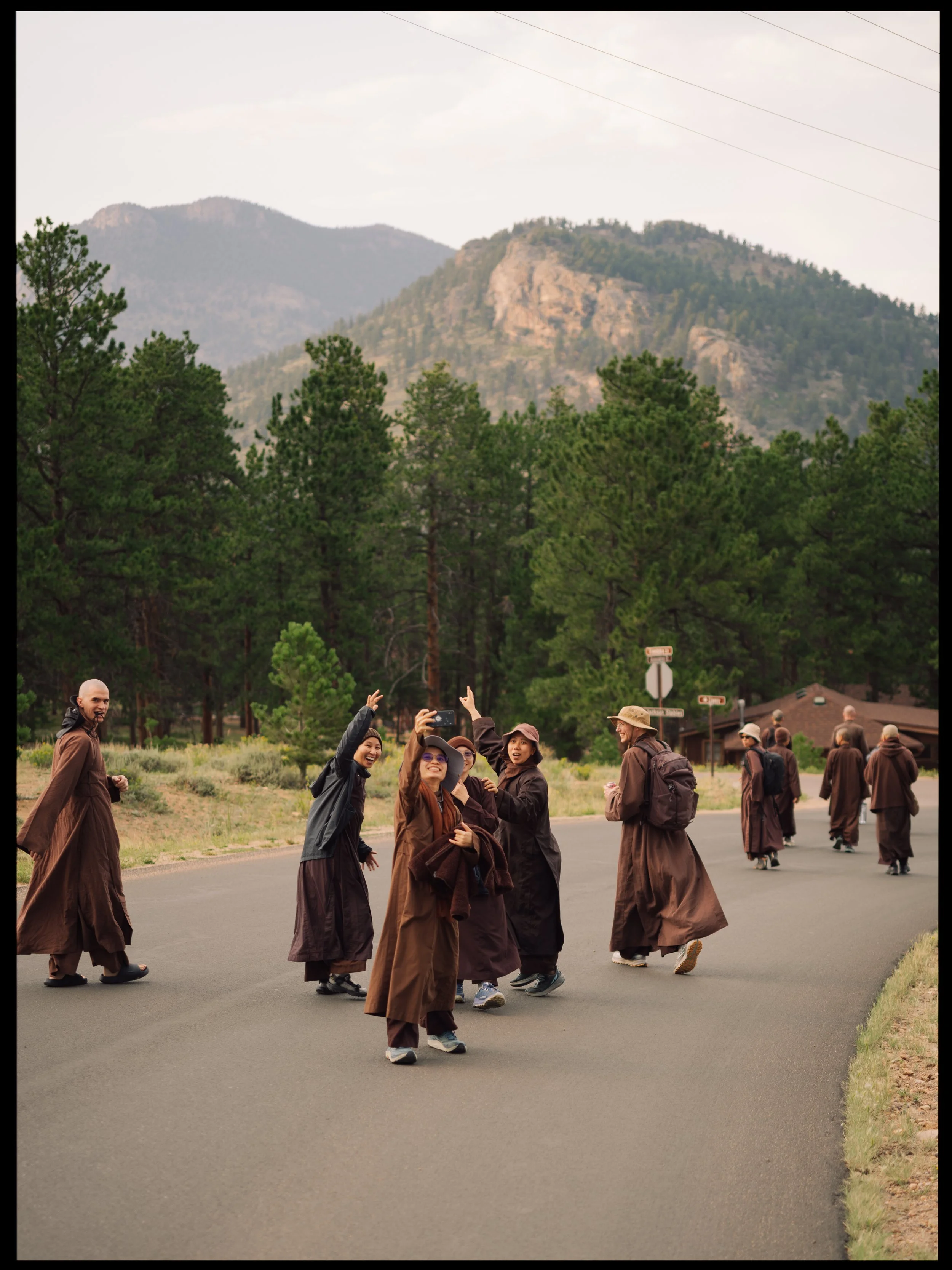
I had heard Thầy’s words countless times from the very first day I visited deer park monastery:
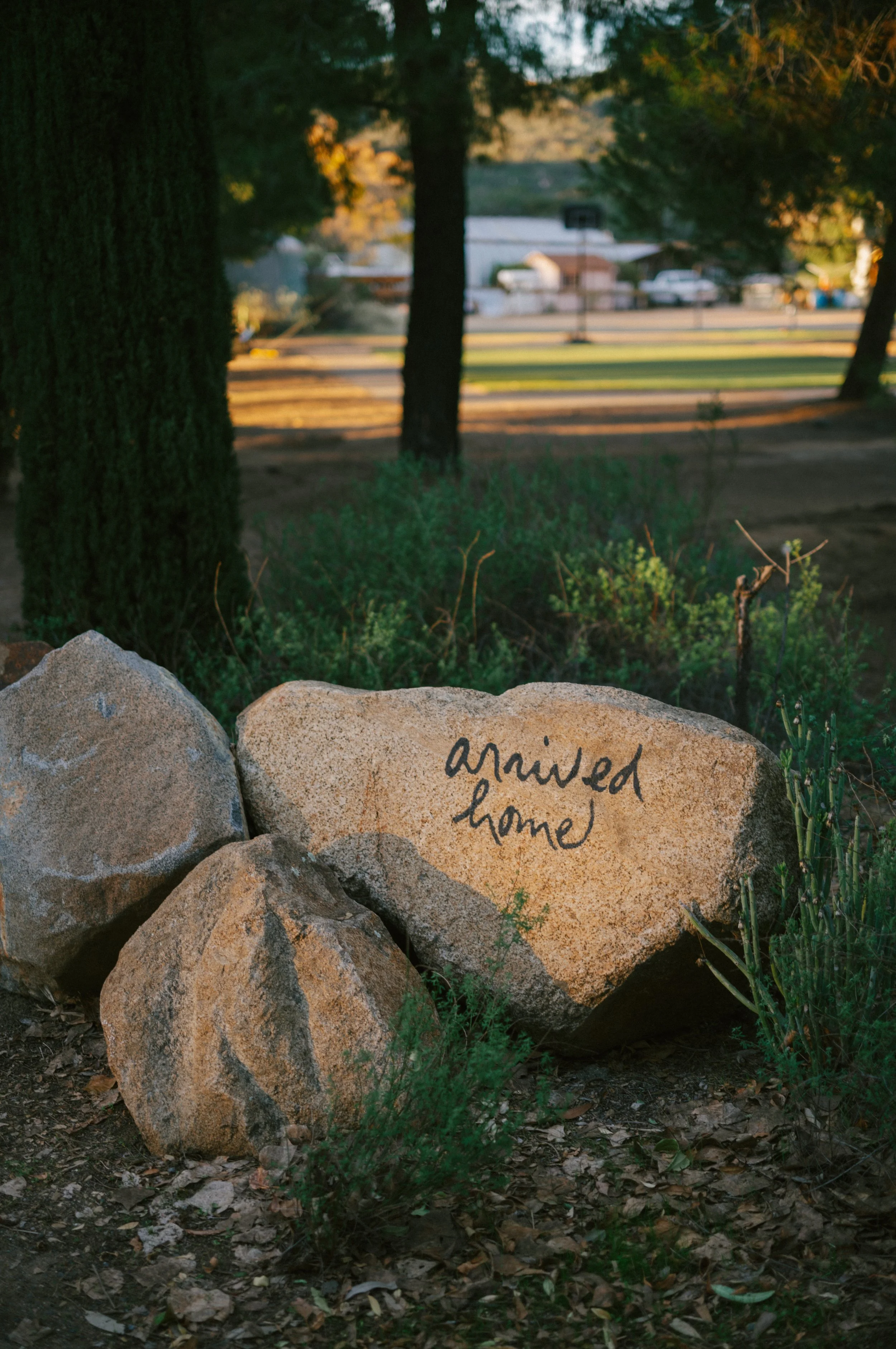
“I have arrived. I am home.”
I understood them. I believed in them.
But I had never truly lived them.
Until one morning.
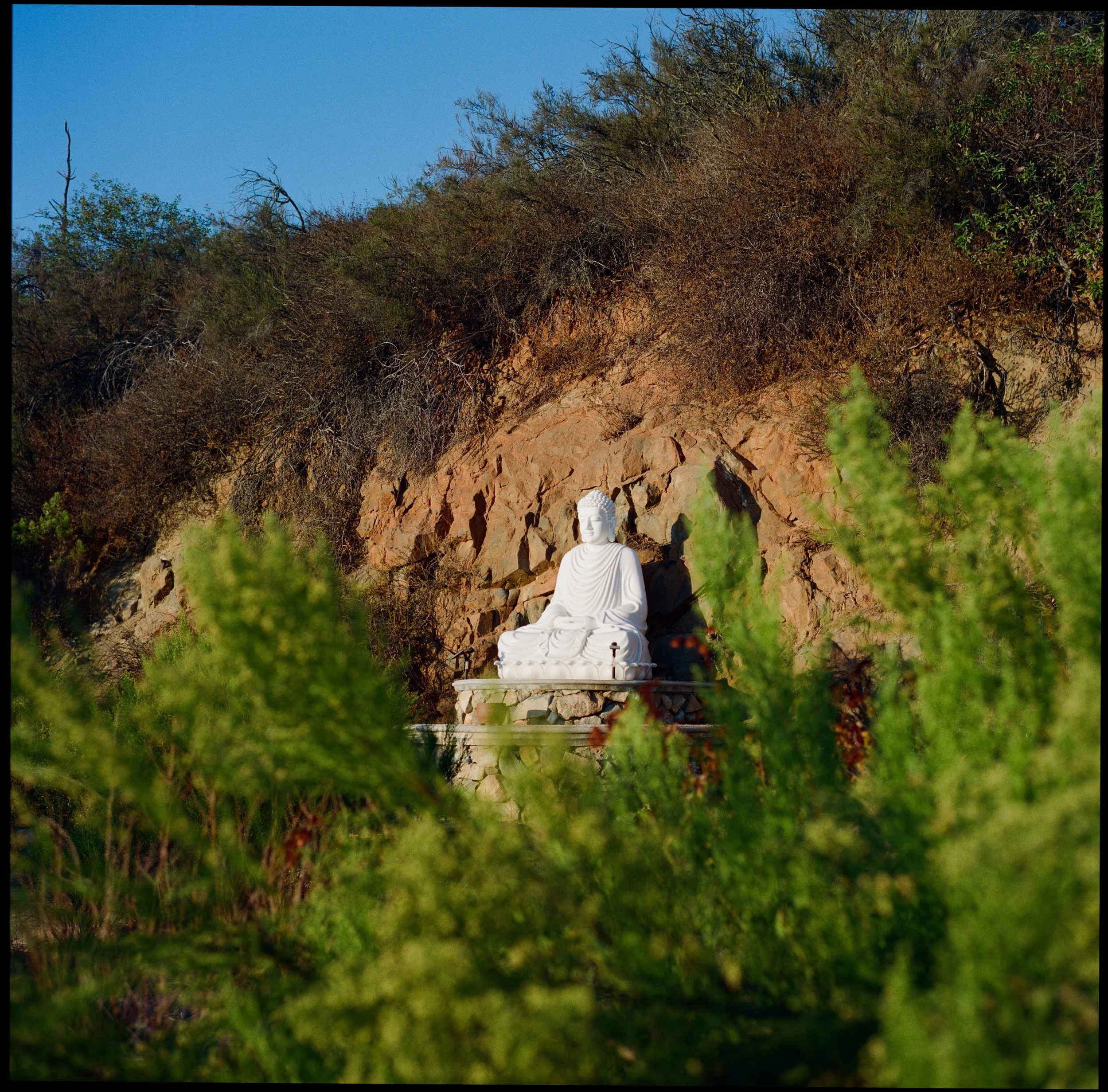
When the Fruit Ripened
On the morning of October 14, I sat down to meditate.
I began by gladdening my mind, reflecting on the countless conditions that had supported my life.
The people who had offered me love. The community that had welcomed me. The opportunities to practice. Even the difficulties that had challenged me to look more deeply.
A quiet happiness arose.
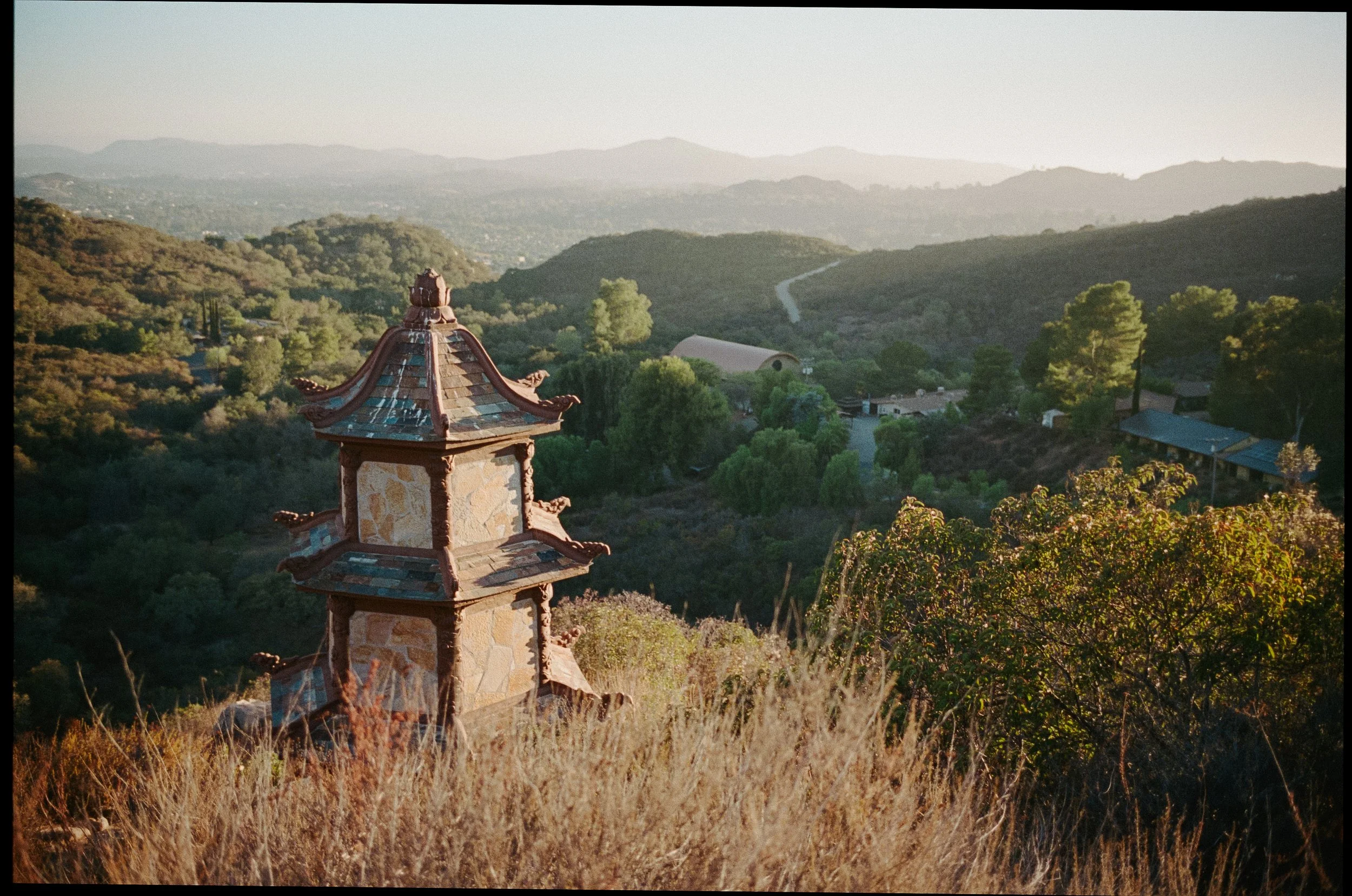
I settled into concentration, resting there for a while.
Then I began practicing liberating the mind.
And something shifted.
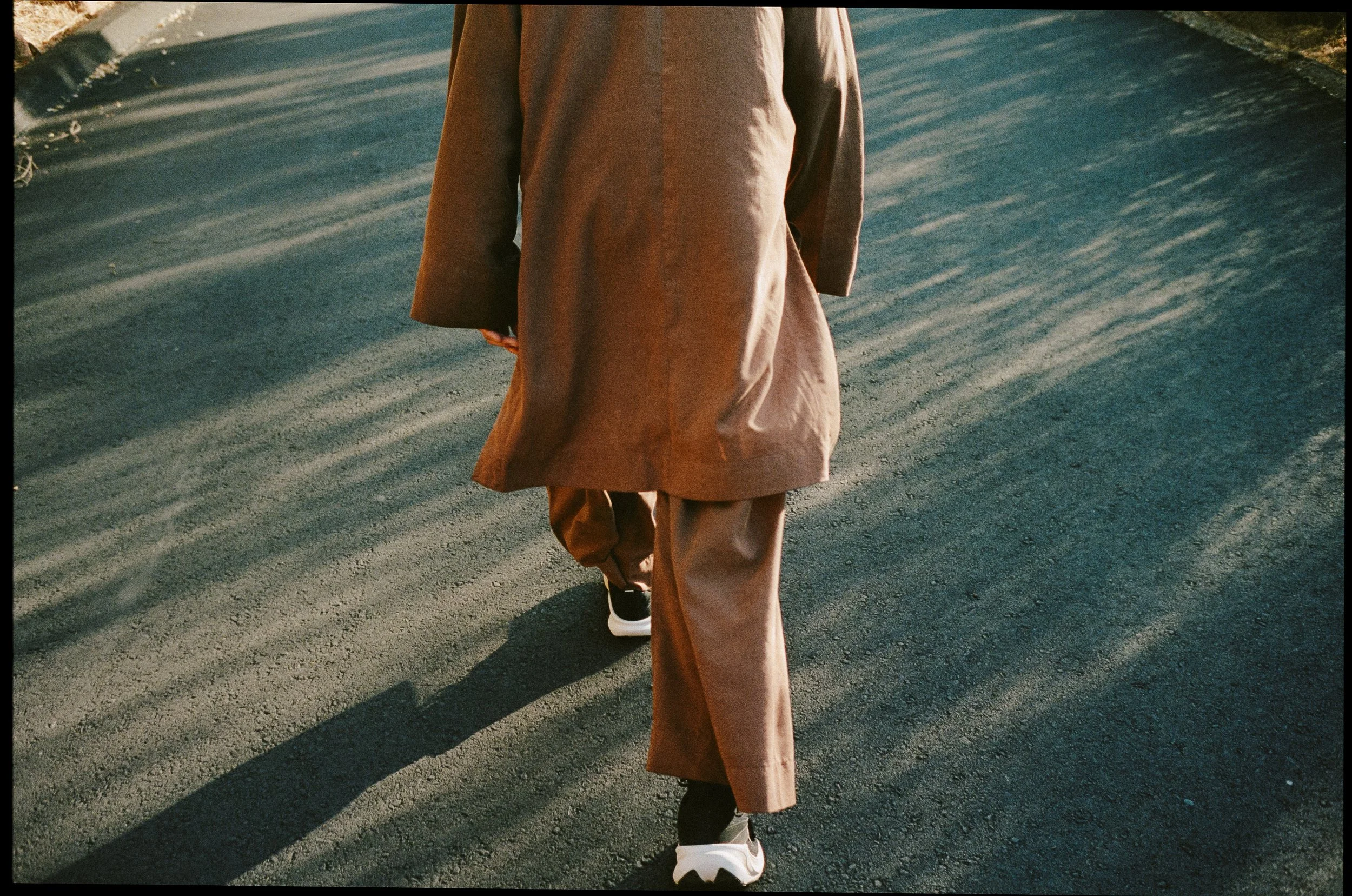
For the first time in my life, I experienced a sense of freedom, peace, and contentment unlike anything I had known before.
There was nothing missing.
Nothing I needed to acquire.
Nothing I needed to prove.
No one I needed to become.
I was enough.
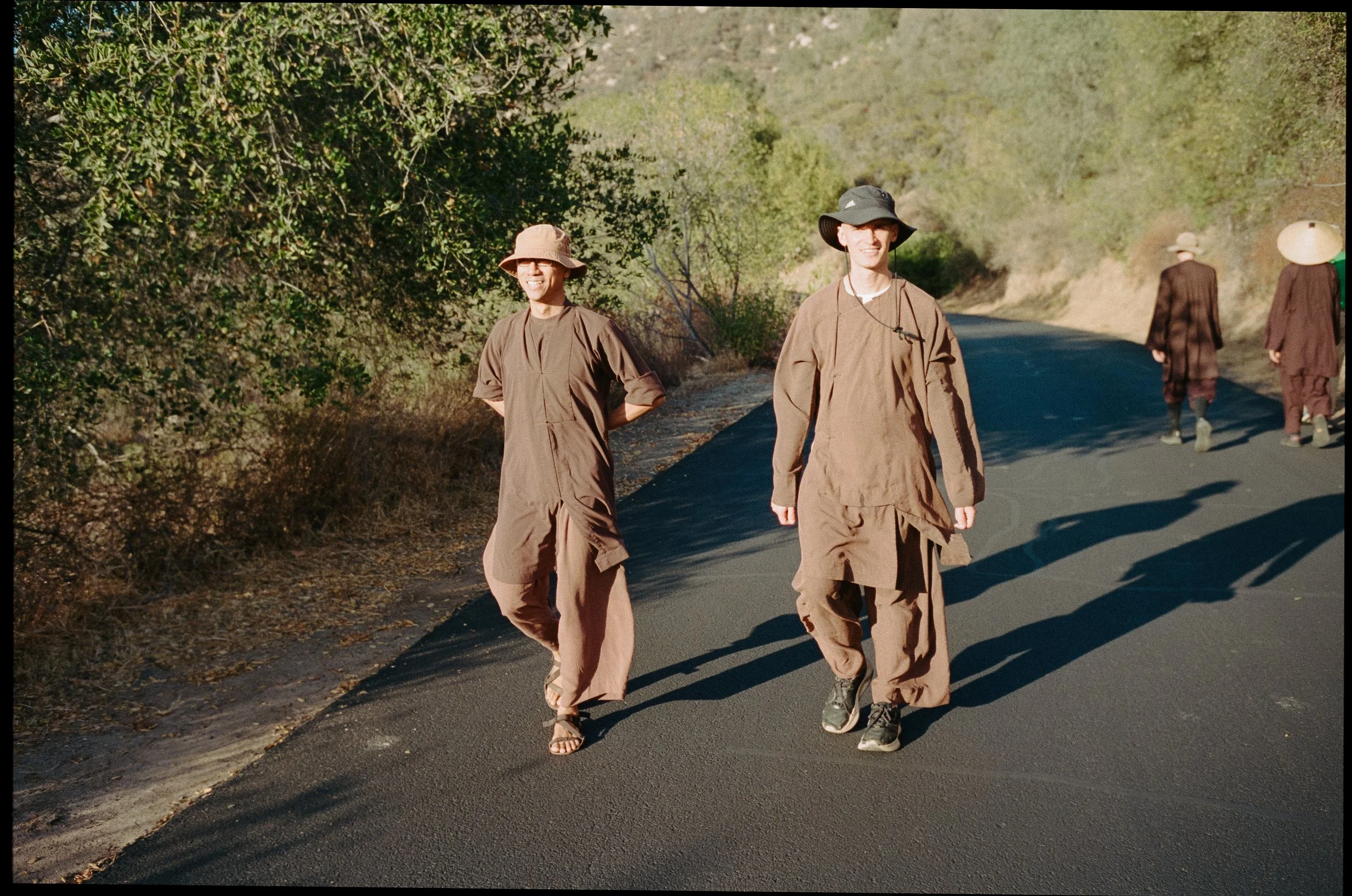
Not because I had finally accomplished something, or because all my problems had been resolved.
I was simply enough, exactly as I was, in that very moment.
For the first time, “I have arrived. I am home” was no longer an idea.
It was my lived experience.
I had nowhere else to go.
And I didn’t want to be anywhere else.
What surprised me most was what happened next.
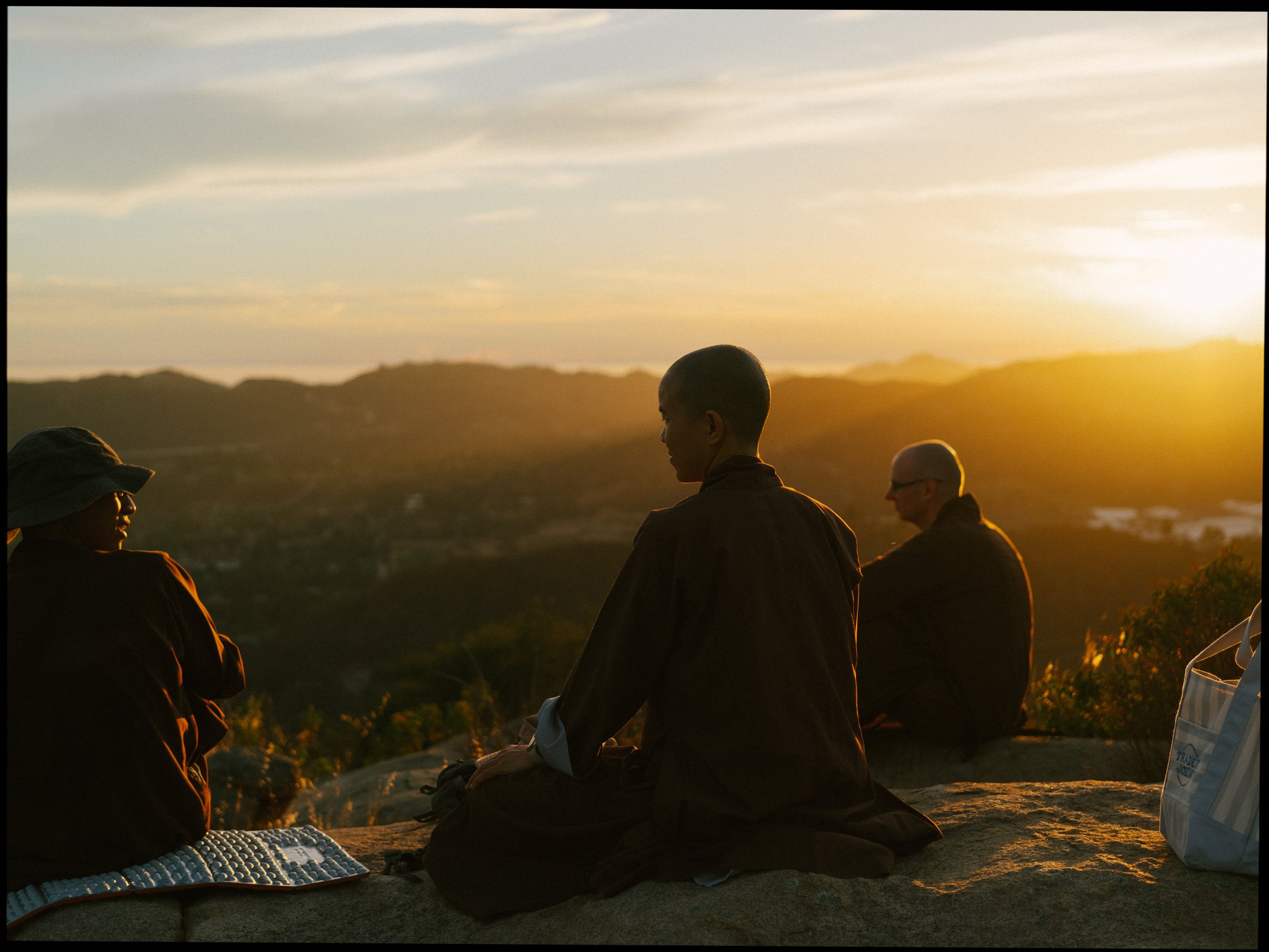
In that moment of complete contentment, when I no longer felt the need to become anything, a clarity arose within me.
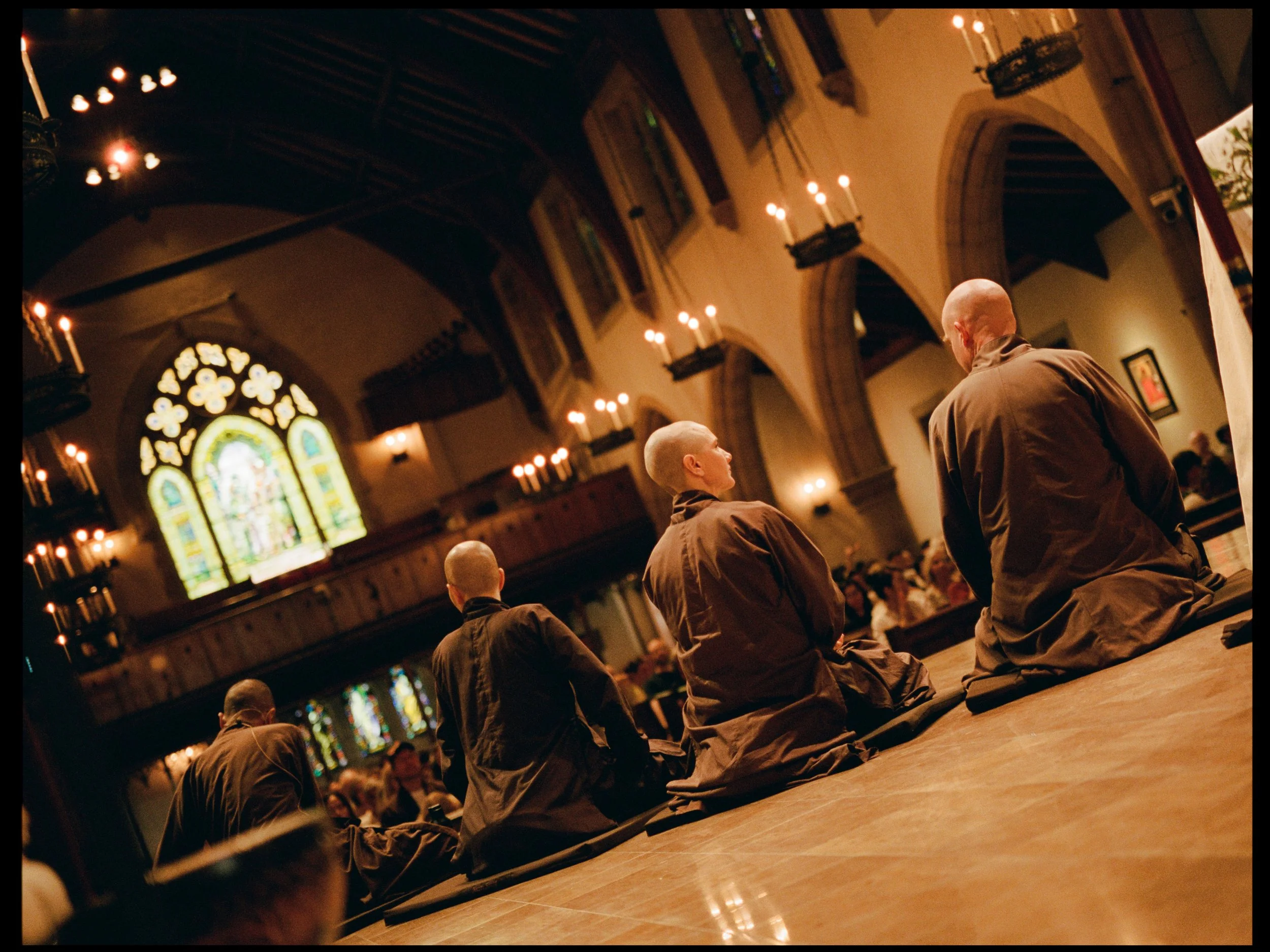
I wanted to devote the rest of my life to living as a monk.
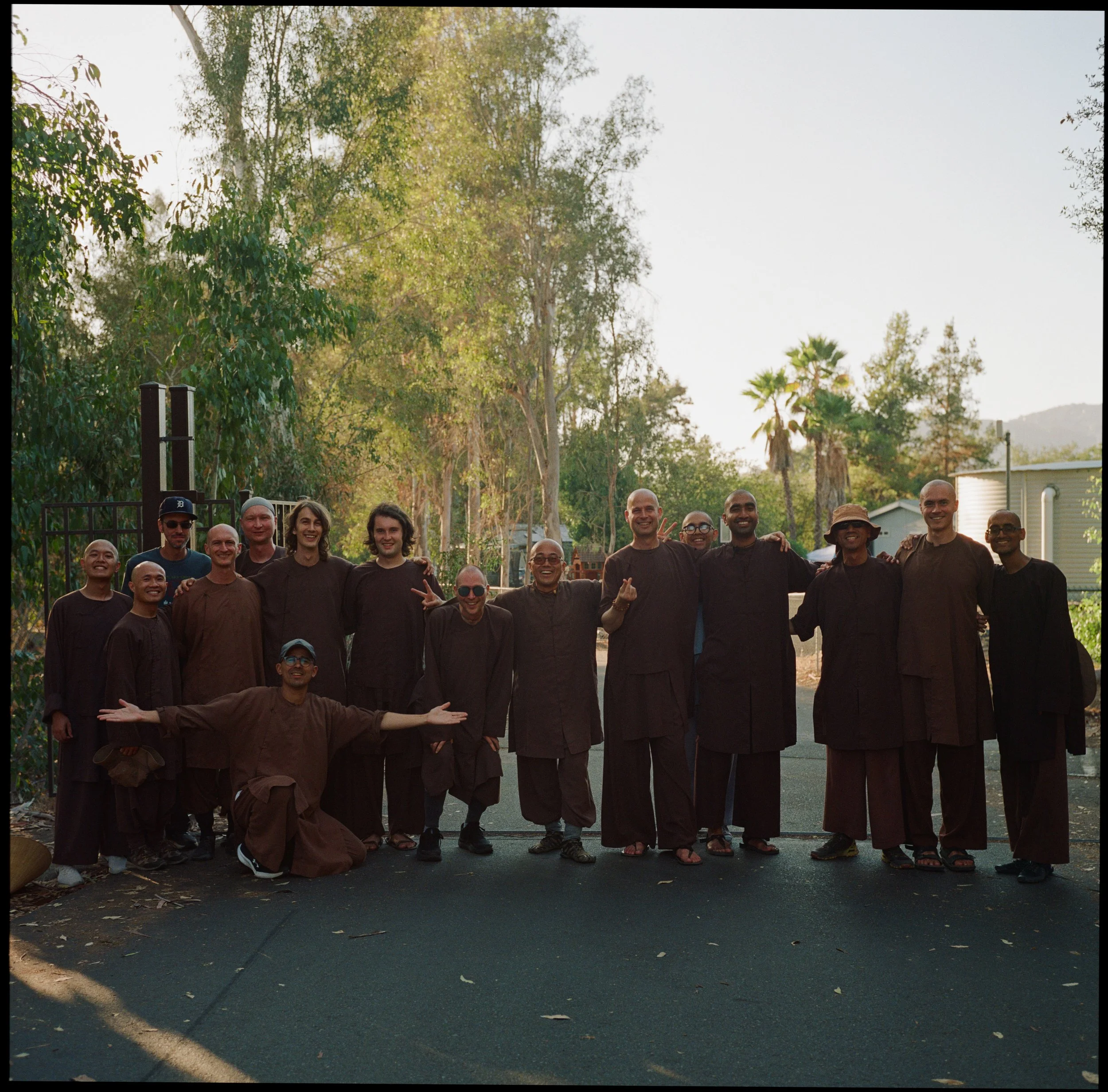
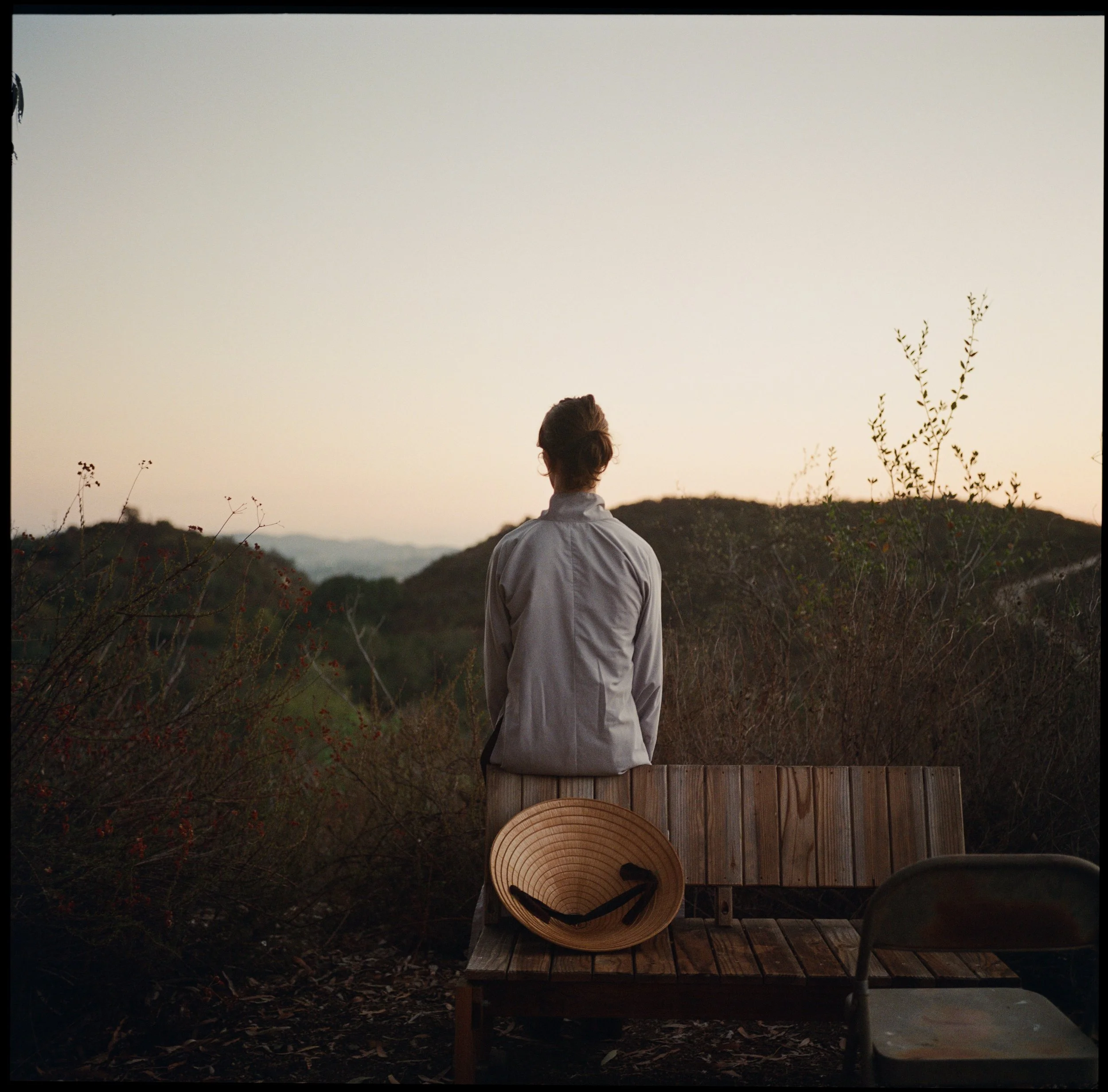
It was not the excitement of imagining myself in robes.
It was not a longing to belong to a community.
It was not an attempt to escape the difficulties of ordinary life.
Those desires had occupied my mind before, and I had repeatedly tried not to become attached to them.
This felt different.
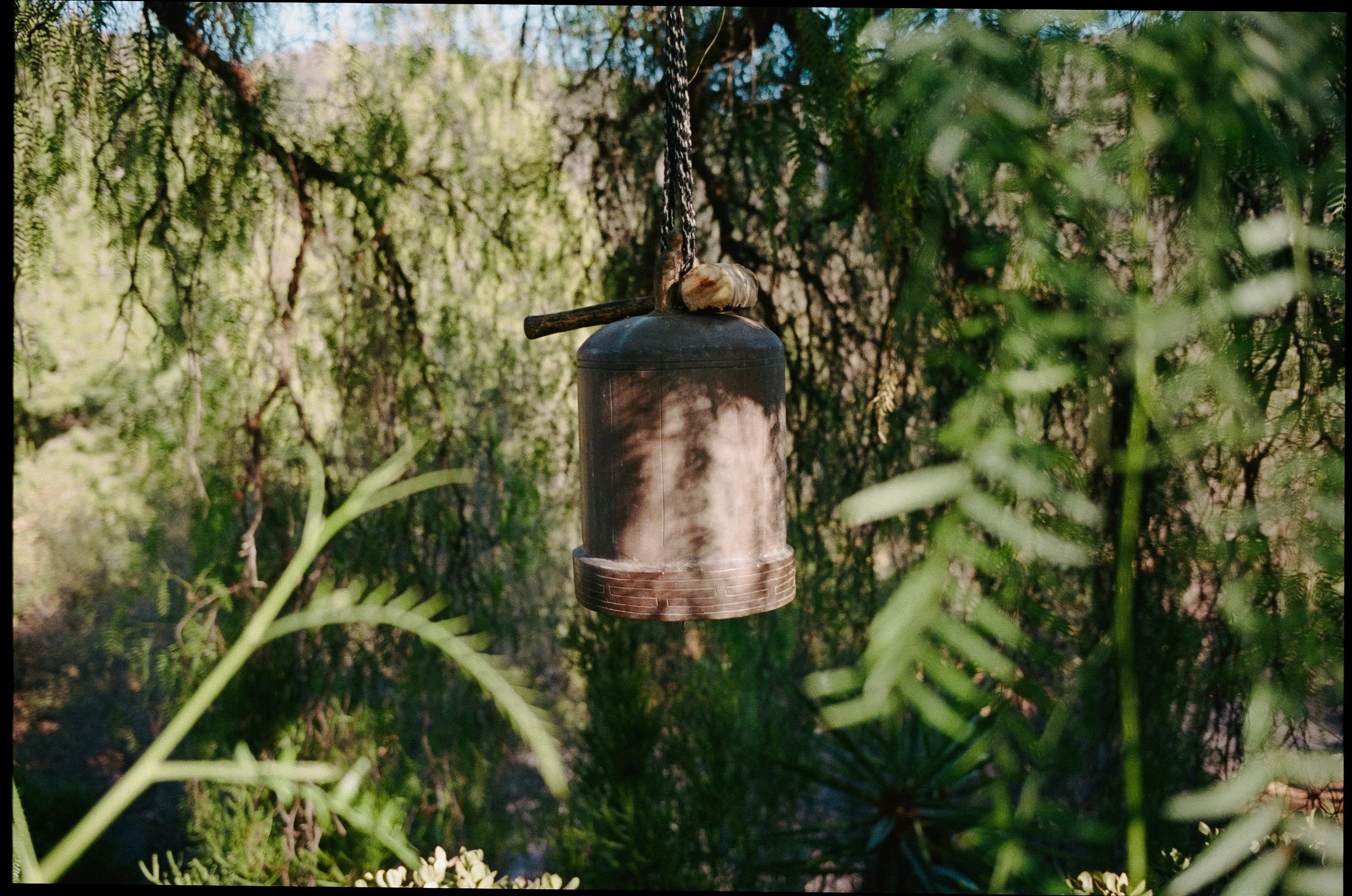
There was no sense of lack driving the aspiration.
No urgency to become someone else.
Only a quiet, unmistakable recognition of how I wanted to live.
For so long, I had been trying to decide whether I should become a monk.
And now, when I stopped needing an answer, one seemed to arise naturally.
Like a fruit ripening on a tree.
The fruit does not need to force itself to ripen.
It ripens when the conditions are sufficient.
Perhaps this aspiration had been growing quietly through every moment of joy, frustration, gratitude, doubt, and understanding.
Perhaps even the experiences I had wanted to escape were part of its nourishment.
I cannot say what the future will bring.
There are still practical obstacles and uncertainties. I do not know whether the conditions for ordination will come together, or when.
And I know that one beautiful experience does not mean I have reached the end of my practice.
There is still so much to understand, so much to transform, and so much to learn about living with others.
But something fundamental has changed.
For the first time, I don’t feel that I need the future to give meaning to the present.
Nothing to Become
Looking back over these months, I can see how often I mistook freedom for independence.
I thought freedom meant being able to leave whenever I wanted, to travel wherever I wished, to answer to no one.
Later, I imagined that freedom might be found in a monastery, among people devoted to spiritual practice.
Both contained some truth.
But neither was complete.
I am beginning to understand that freedom is not simply the absence of external constraints.
It is the possibility of living without being imprisoned by my own craving, fear, expectations, and identities.
The monastery did not magically free me from suffering.
It offered me the conditions to recognize my suffering more clearly.
The brothers and sisters did not always behave as I wished.
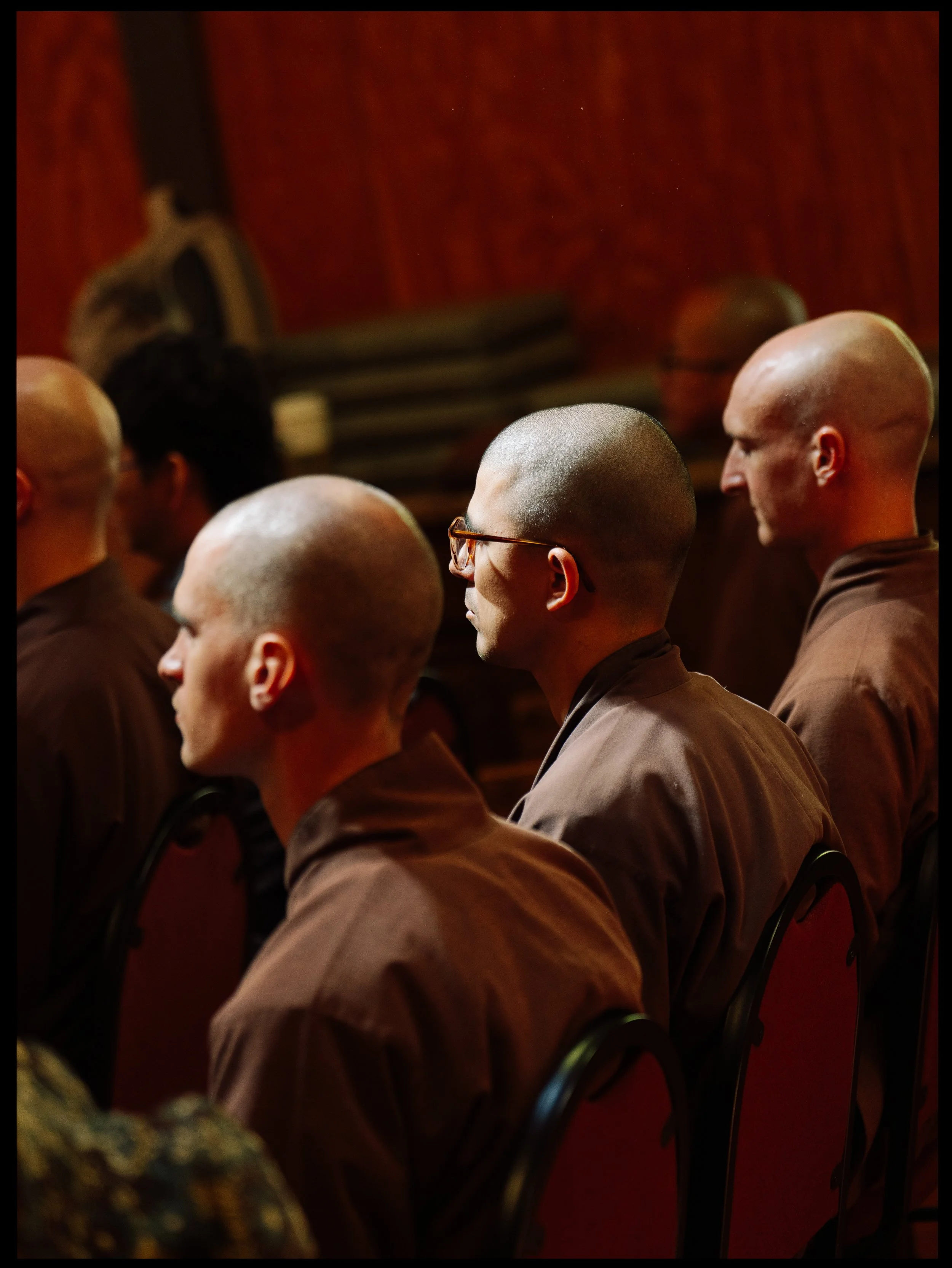
They helped me see how much of my happiness still depended on other people behaving according to my expectations.
And the challenges of community life did not necessarily take me away from the path.
In many ways, they became the path itself.
I am deeply grateful for that.
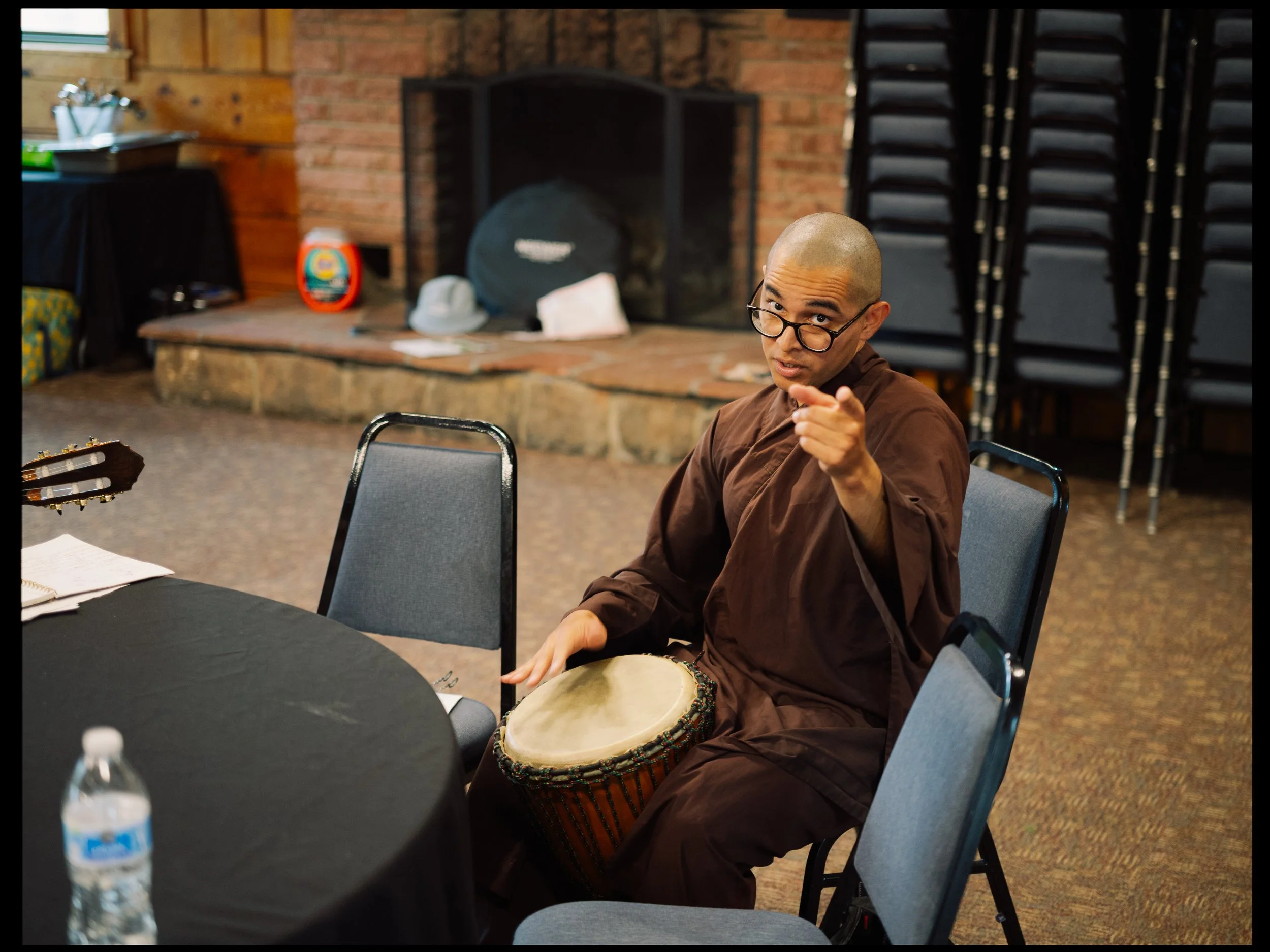
I am grateful for the teachers who patiently shared their understanding, for the brothers and sisters who welcomed me, for the people whose kindness I sometimes failed to recognize, and even for the difficult encounters that revealed parts of myself I had not yet understood.
I once believed I needed to find a perfect place to call home.
Now I am beginning to see that home is not somewhere I must reach.
It is available whenever I can return to myself, fully present, without needing this moment to be anything other than what it is.
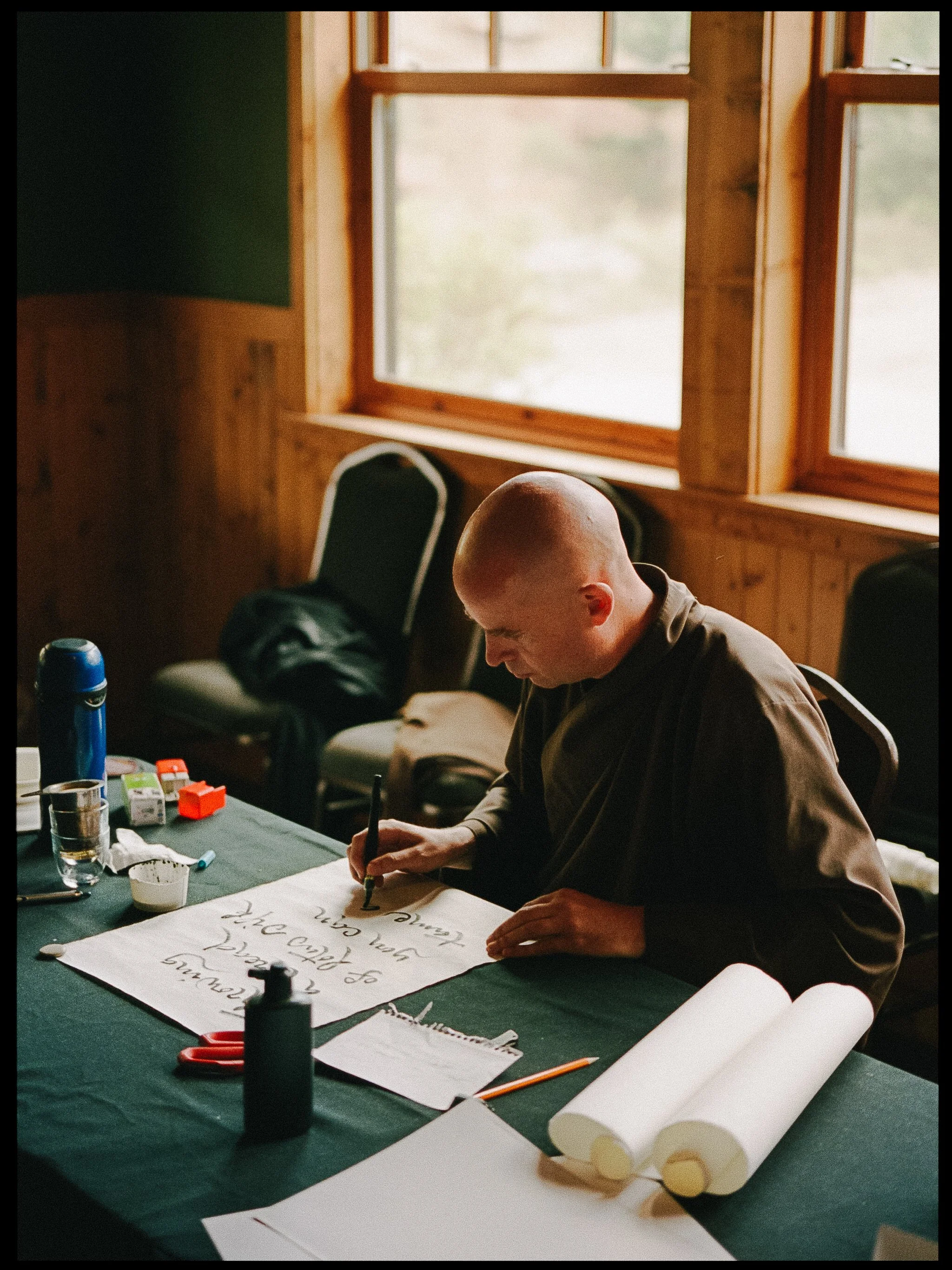
Perhaps this is what renunciation is beginning to mean to me.
Not rejecting the world.
Not rejecting myself.
But gently releasing the endless need to possess, to control, to define, and to become.
I don’t know what I will be called in the future.
A photographer. A lay practitioner. A monk.
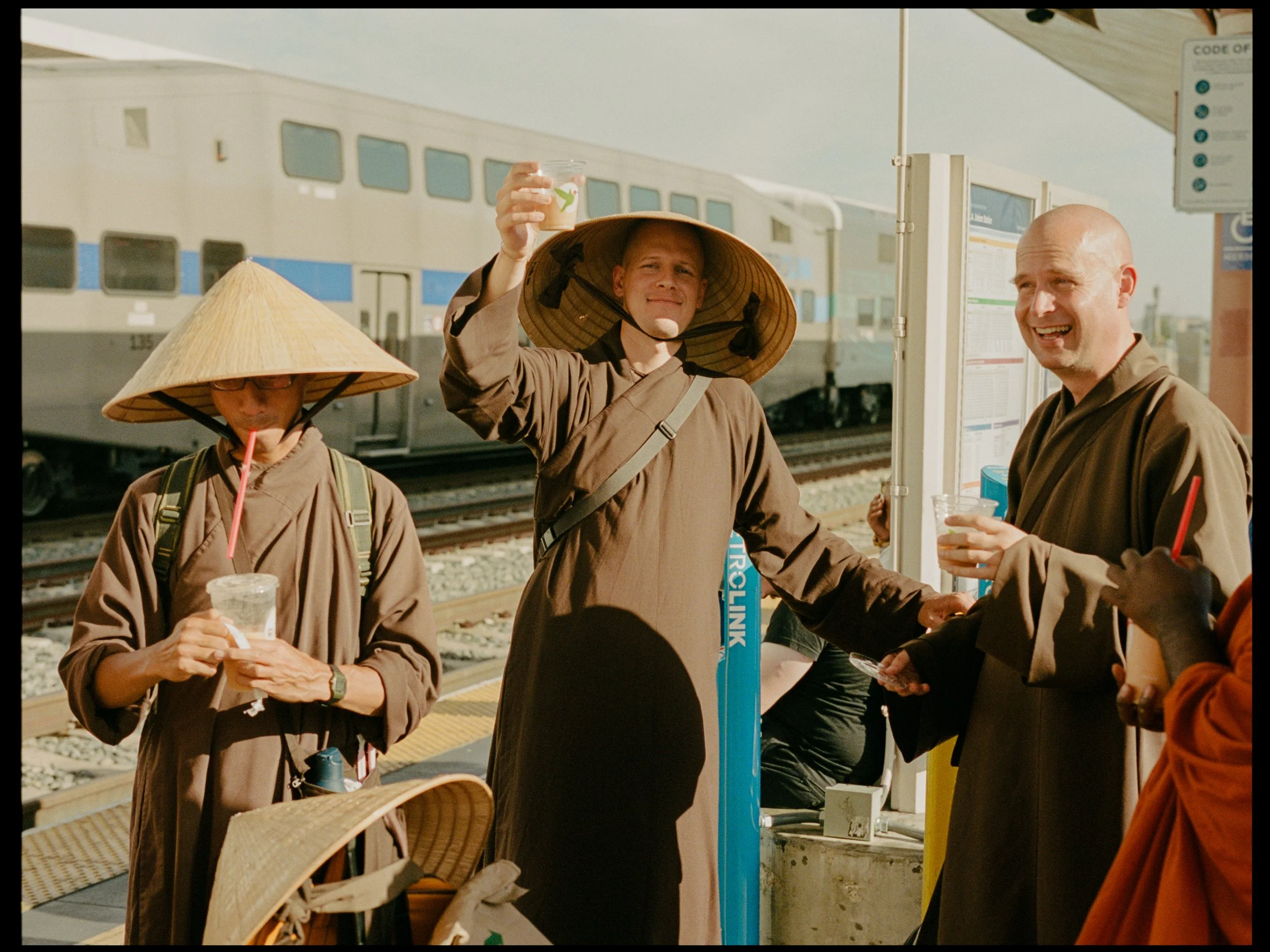
Perhaps none of these names matters as much as I once believed.
What matters is whether I can live with awareness, understanding, compassion, and freedom.
Whether I can recognize suffering without turning away.
Whether I can offer something wholesome to the world without needing to claim it as mine.
And whether I can remain at home in myself, wherever life takes me.

For the first time, I am not looking for a life that will make me complete.
I am learning to live from the completeness that is already here.
I have arrived.
I am home.